50% off* select plans
Save big and let us handle covered home hassles.

Getting an HVAC inspection before buying a house can identify hidden problems and protect you from unexpected repair costs in your first year of ownership.
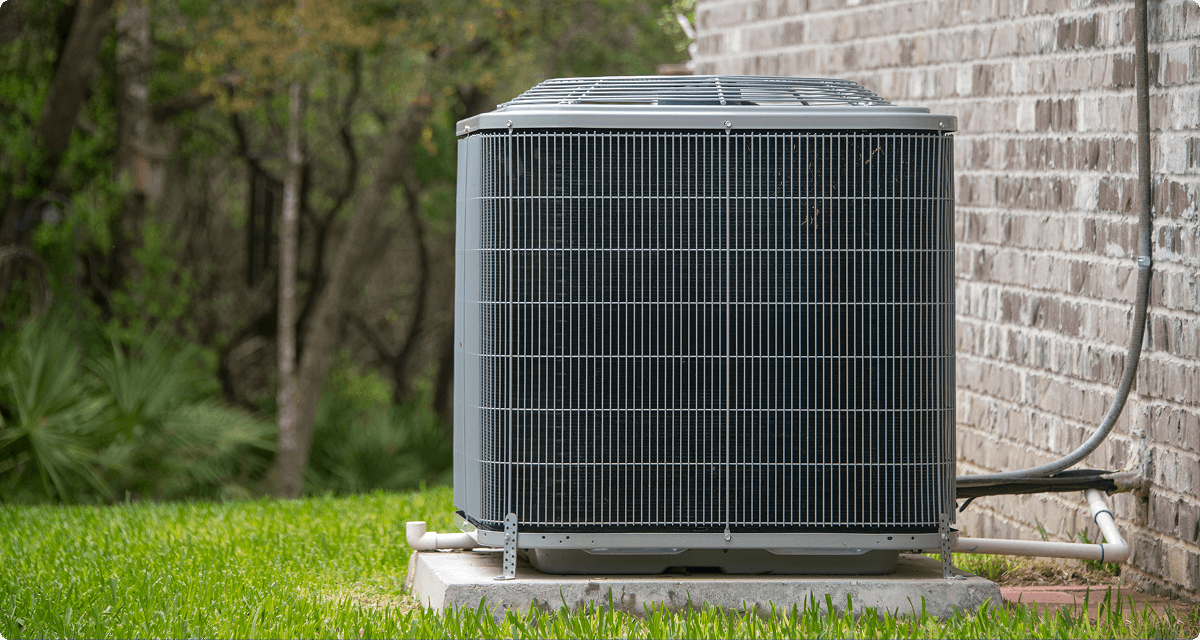
There are plenty of moving parts in a real estate transaction. From organizing house tours to securing financing to managing deadlines, everyone involved is working toward one goal: getting to the closing table. It’s a relief when a deal starts to feel real. But before you close, there’s one more question worth asking: should you get a dedicated HVAC inspection?
The truth is, 92% of homeowners experience a home-related issue in their first year of ownership, and 16% report an HVAC system failure.1 For buyers, that can mean an unexpected expense right after move-in. For sellers and real estate professionals, it can mean last-minute negotiations or post-closing frustration.
Scheduling HVAC inspection services before buying a house can help reduce the risk of those early surprises. Instead of reacting after move-in, you gain clarity about the system’s condition and performance while there’s still time to negotiate.
In this article:
Going deeper than a general home inspection, an HVAC inspection for home purchase is an evaluation that focuses specifically on the home’s heating and cooling systems. This inspection looks closely at how the system performs, how old it is, and how much life it likely has left.
During a standard home inspection, the inspector may confirm that the system turns on and responds to the thermostat. A home HVAC inspection, by contrast, looks much closer at the components of the system and evaluates not just if it runs—but whether it runs well, safely, and reliably.
Explore how our home warranty plans can help keep your A/C in working order all season long.
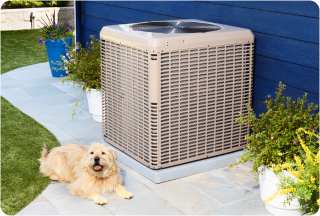
An HVAC inspection typically reviews the system’s major components, internal controls, and overall performance. While the exact scope may vary, most licensed HVAC professionals will assess:
The technician may also test system efficiency and measure temperature differentials to confirm the equipment is heating or cooling properly.
If issues are found, such as a cracked heat exchanger, aging compressor, or damaged ductwork, the inspection report can give buyers leverage to request repairs, credits, or price adjustments before closing.
When you’re so close to closing, it can feel like an HVAC inspection is barely worth it. Can’t you just handle an HVAC breakdown when (or if) it ever comes?
The truth is, while an HVAC system inspection only costs a few hundred dollars at most, your HVAC system could cost up to $6,000 to repair or replace without a home warranty in the event of a breakdown.* While an inspection can seem like an unnecessary cost at the time, especially if the house is generally in good shape, there are major benefits for everyone involved in the real estate transaction.
*Repair/replacement cost is the eightieth percentile as reported in a nationwide survey of homeowners conducted in 2024 by ClearVantage for American Home Shield.
For buyers, an HVAC inspection helps you understand what you’re actually inheriting when you take ownership of the home. An HVAC inspection:
*This lifespan is an average estimate based on industry and government sources. Actual lifespan can vary depending on factors like maintenance, usage patterns, climate, installation quality, and system type.
For sellers, a home HVAC inspection can reduce uncertainty and strengthen the transaction. Here, an HVAC inspection helps:
Allows early fixes. Small problems like airflow restrictions or minor electrical concerns can grow over time. Identifying them early protects both the transaction and the long-term health of the system.
A home HVAC inspection typically costs $150 to $5002, depending on the size of the home, the type of system, and your location. If you’re inspecting just one component, like a furnace, air ducts, or an AC unit, costs may range from $50 to $1802. These costs can be affected by home/system size, unit location, the kind of system you have, and the scope of the inspection.
When you’re already budgeting for inspections, appraisals, and other closing costs, adding another line item can feel frustrating. Many buyers are also looking for ways to reduce closing costs wherever possible. But compared to the overall cost of buying a home, an HVAC inspection is relatively small, and can protect you from much larger expenses after move-in.
Once you call in an HVAC technician to inspect your system, you’ll get a full report of the state of the various components of your HVAC system. Here are some of the most common red flags buyers and sellers should pay attention to:
Not every red flag means the system needs immediate replacement. But each major air conditioner problem or heating system problem deserves closer evaluation before closing.
A home HVAC inspection gives you information. Ultimately, it’s completely up to you how you choose to act on that information If the inspection reveals concerns, you have options:
Ready for a breath of fresh air? The New HVAC Program makes it easier than ever for AHS members to upgrade their system.
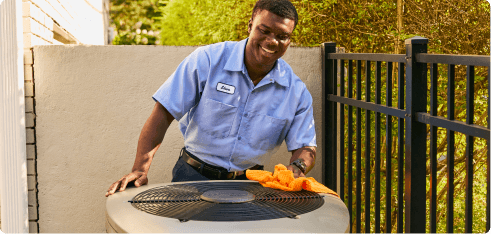
Don’t be afraid to ask the HVAC technician inspecting your system direct questions about the results of the inspection! Even if it looks clean, they’ll likely be happy to answer any questions you have about the health of the system and what responsibilities you’re about to take on.
Here are the key questions to ask your technician (or yourself, if you opt for a DIY HVAC inspection):
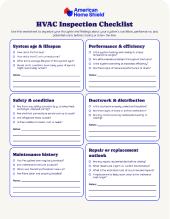
Don’t sweat your inspection
Download our free HVAC inspection worksheet to track what you learn, organize your notes, and make sure you ask the right questions before closing.
An HVAC inspection doesn’t have to feel like a test. Sellers should see the inspection as an opportunity to show that the home has been cared for and that major systems are in solid working order. Here’s where to focus:
Preparation doesn’t guarantee a perfect report. But it does reduce uncertainty, and that can make a meaningful difference during negotiations.
No matter the outcome of your home HVAC inspection, one thing is certain: heating and cooling systems don’t last forever. Over time, normal wear and tear takes a toll on even well-maintained equipment. Whether repairs are needed now or years down the road, a home warranty can help you manage the upkeep of this critical system without handling every expense alone.
American Home Shield® home warranty plans include:
And, with American Home Shield, enjoy member benefits such as:
In a real estate transaction, coverage can add another layer of reassurance. A seller’s home warranty can help cover certain system issues that arise during the listing period. And when coverage is included at closing, buyers have support if a covered breakdown happens after move-in. If you’re unsure what makes sense for your situation, talk with your real estate agent about home warranty options before closing.
An HVAC inspection lets you know what you’re working with. The right protection plan allows you to move forward with confidence.
Buying a home comes with a lot of decisions and a lot of new responsibilities. For more guidance, visit our Homebuyer Hub for resources on avoiding homebuyer’s remorse, understanding the rising cost of home maintenance and repairs, and preparing for some of the most common issues new homeowners face.
*See the plan agreement for coverage details, including service fees, limitations and exclusions. Coverage limits and charges for non-covered items may apply.
**Video chat available as a member benefit with select AHS plans. Video chat hours are from 8AM-9PM CST, 7 days/week. Subject to change.
†Pricing and amount of savings will vary based on location and equipment availability. Not available in all areas. HVAC upgrades are provided by Frontdoor Pro and performed by a Frontdoor Pro independent service contractor. For Frontdoor Pro license numbers, please visit Frontdoor Pro Licensing Information.
Sources:
1 https://www.ahs.com/home-matters/homebuyer-hub-resources-and-guides/common-new-home-issues/
2 https://homeguide.com/costs/hvac-inspection-cost
AHS assumes no responsibility, and specifically disclaims all liability, for your use of any and all information contained herein.

Deals delivered straight to your inbox
Sign up for AHS discounts & promotions.