LIMITED TIME ONLY
Get 50% off* select plans
Save big and let us handle covered home hassles.

Save big and let us handle covered home hassles.

Stay warm, safe, and efficient all season long with our winter heating preparation tips to help lower costs and prevent mid-season breakdowns.
When temperatures drop, your heating system works hard to keep your home comfortable. The last thing you want is a breakdown on the coldest day of the year simply because your system didn’t get the care it needed..
With a few winter HVAC care tips and some preventative care, you’ll not only help your system avoid breakdowns but also run more efficiently. Follow along for our top HVAC maintenance tips for the winter season to help you prepare for everything the season might bring.
An inefficiently heated home is no good. Not only is your heating system then working harder and using more energy to provide less heat, possibly straining itself in the process, but it’s also running up your home’s energy bills. Keep these winter heating preparation tips in mind to help maximize heating efficiency.
Check doors, windows, and baseboards for drafts. Even small gaps can let warm air escape, forcing your system to run longer. Seal cracks with caulk or weatherstripping, and replace worn door sweeps for a tighter seal.
For older homes, adding insulation around outlets, light switches, or attic access points can make a noticeable difference. Draft stoppers and insulated curtains also help keep warm air in and cold air out.
Applying clear plastic film over windows adds an extra layer of insulation, helping reduce heat loss through glass panes. If your home has rooms with older or single-pane windows, this simple fix can make a big difference.
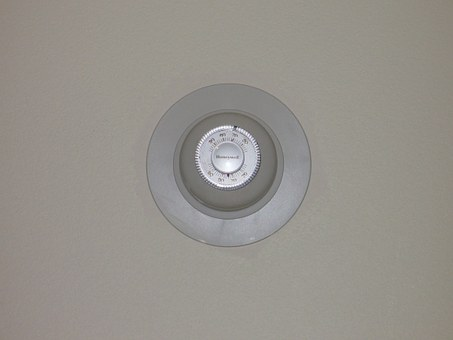
Keep your thermostat around 68°F during the day and lower it slightly at night or when you’re away. If you have a programmable or smart thermostat, set schedules to balance comfort and savings automatically.
During the day, open shades or curtains on south- and west-facing windows to let in natural warmth. Close them again at night to keep heat from escaping.
Make sure furniture, rugs, and curtains aren’t covering vents or baseboard heaters. Blocked airflow can make rooms unevenly heated and force your system to use more energy.
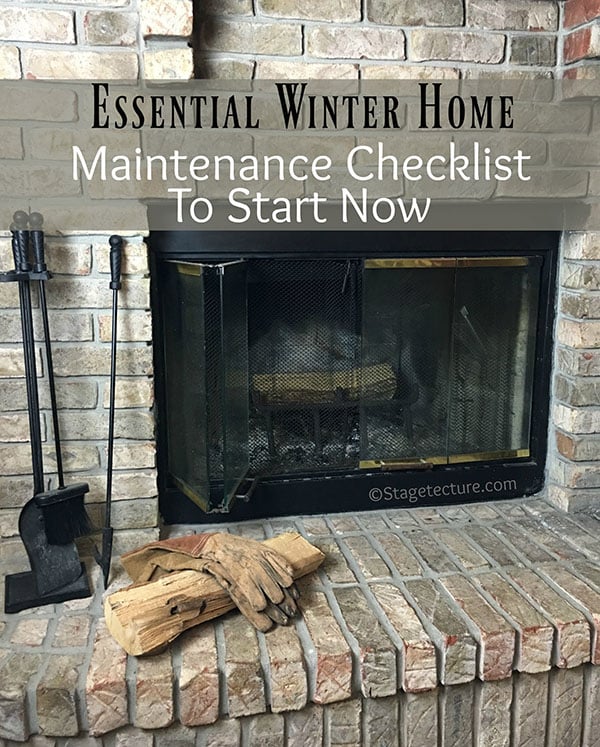
If you use a fireplace, have the chimney inspected and cleaned before winter. Keep the damper closed when it’s not in use to prevent warm air from escaping up the flue.
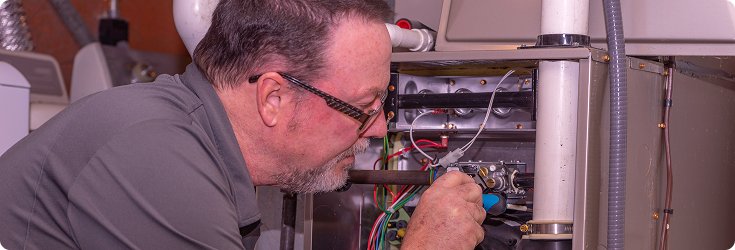
Your whole home works to keep warm air in and cold air out, but your HVAC system does the heavy lifting. A winter HVAC maintenance routine helps keep your home cozy throughout the most frigid months. Here are a few proactive heating maintenance tips that can help prevent HVAC breakdowns and ensure your system is ready when you need it most.
Discover how our HVAC tune-up program helps you avoid breakdowns and keep your system running smoothly.
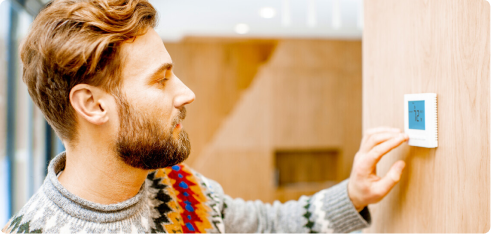
Book a professional HVAC tune-up before winter sets in. An HVAC Pro can check components, clean internal parts, and confirm your system’s safety and efficiency; potentially saving you money on heating throughout the season. And American Home Shield® members can take advantage of seasonal HVAC tune-up services included as a member benefit to select plans, making it easier than ever to keep your system running at its best.
If you have a gas furnace, verify that the pilot light burns blue (not yellow or orange). For electronic ignition systems, ensure the igniter is functioning properly before the first cold snap.
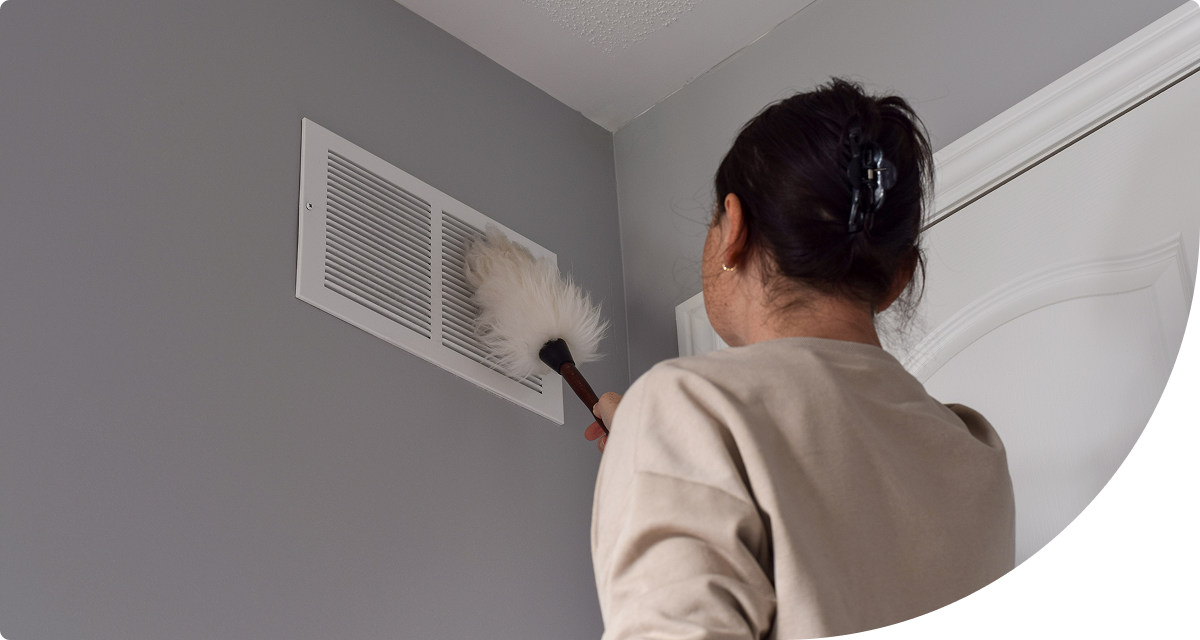
Dirty filters restrict airflow and reduce efficiency. Check the air filters monthly during peak heating season or clean reusable ones as directed by the manufacturer. Vacuum vents and inspect dampers to make sure air can circulate freely throughout your home.
Leaky ducts can waste up to 30% of heated air before it reaches your rooms.1 Check for visible gaps or loose connections, and seal them with metal-backed tape or mastic sealant.
During your walkaround, look for rust, corrosion, or frayed wiring. If you notice any visual wear and tear, and then also hear any grinding...etc etc its time to call a Pro. These are often early signs of a failing motor or blower.
Your furnace and fireplace can both produce carbon monoxide. Replace detector batteries twice a year and press the test button to confirm they’re working correctly.

It's recommended to replace carbon monoxide detectors every 5-7 years.
Run your furnace for 15–20 minutes before the first freeze. Check that warm air flows evenly through vents and the thermostat responds accurately. If anything seems off, schedule service right away rather than waiting for temperatures to drop.
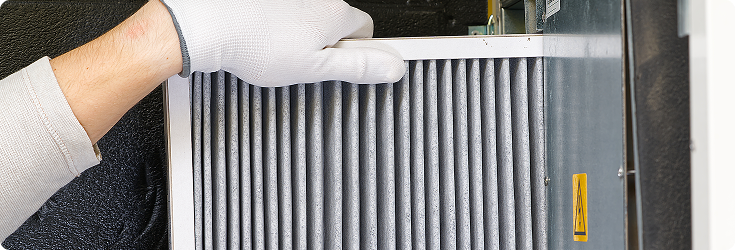
Once the cold sets in, staying consistent with your winter HVAC maintenance routine helps your system run smoothly and efficiently all season long. Here are a few heating maintenance tips to keep things in top shape:
Following these routine HVAC winter care tips can extend your system’s lifespan and reduce strain, especially when combined with seasonal professional inspections.
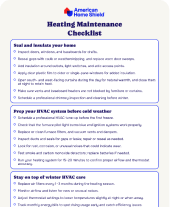
Turn up the heat, worry-free
Get your free winter HVAC maintenance checklist and make sure your system’s ready for the season.
Even the best winter HVAC maintenance can’t prevent every power outage or winter storm. Preparing now means you’ll stay safe and warm if your heating system temporarily goes offline.
If your furnace stops working during an outage, make use of alternative heating options:
Never use outdoor grills, ovens, or generators indoors—these can produce deadly carbon monoxide.
As part of your winter weather safety preparations, put together a simple kit in case of prolonged power loss:
Keeping these items on hand can make a stressful situation much easier to manage until your system is up and running again.
Your home’s comfort shouldn’t be left to chance. The top heating maintenance tip? Get an American Home Shield home warranty plan to make it easier to keep your home running smoothly in the winter.
As an AHS member, you can:
When you’re covered with AHS home warranty heating system coverage, you can focus on celebrating the season, not worrying about breakdowns. And enjoy coverage that extends beyond heating, helping protect your home’s major systems and appliances year-round.
For more ways to care for your home this winter and beyond, visit the Home Matters blog for expert tips on everything from how to inspect your roof to maintaining your home’s exterior through every season.
AHS assumes no responsibility, and specifically disclaims all liability, for your use of any and all information contained herein.
*Video chat available as a member benefit with select AHS plans. Video chat hours are from 8AM - 9PM CST, 7 days/week. Subject to change.
Sources:
1 https://www.energystar.gov/saveathome/heating-cooling/duct-sealing
For most homes, setting your thermostat around 68°F during the day strikes a good balance between comfort and efficiency. According to the U.S. Department of Energy, lowering your thermostat by 7–10 degrees for eight hours a day can help reduce heating costs by up to 10% per year.
The best schedule depends on your routine, but a simple pattern works for most households. Set the thermostat to 68°F during the daytime, while you’re home and awake. During the nighttime or while you’re away, set it to 60–65°F for better efficiency. Consider investing in a smart thermostat to streamline the process and help your energy-saving efforts go further.
When you’re away for the day, lower your thermostat by about 7–10 degrees from your usual setting. For longer trips, you can drop it to around 55°F—just warm enough to prevent frozen pipes without wasting energy.