MEMORIAL DAY SALE
50% off* select plans for a year
Save big and let us handle covered home hassles.

Save big and let us handle covered home hassles.

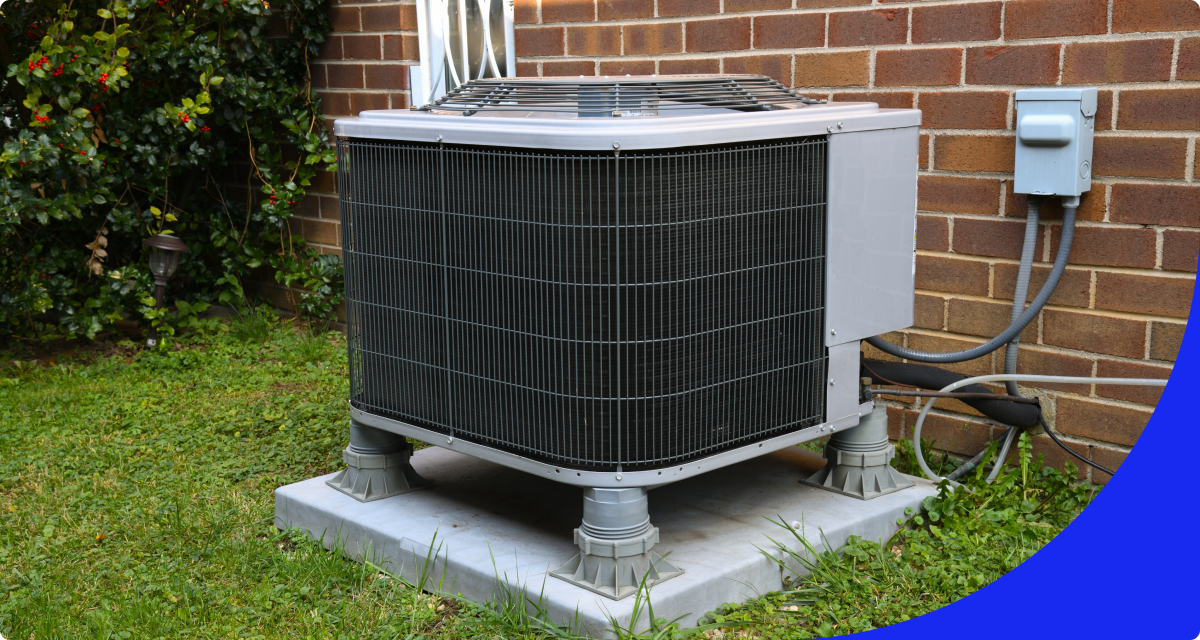
American Home Shield® gives its members access to the New HVAC Program, which helps homeowners replace aging heating and cooling systems with professional installation and big potential savings.
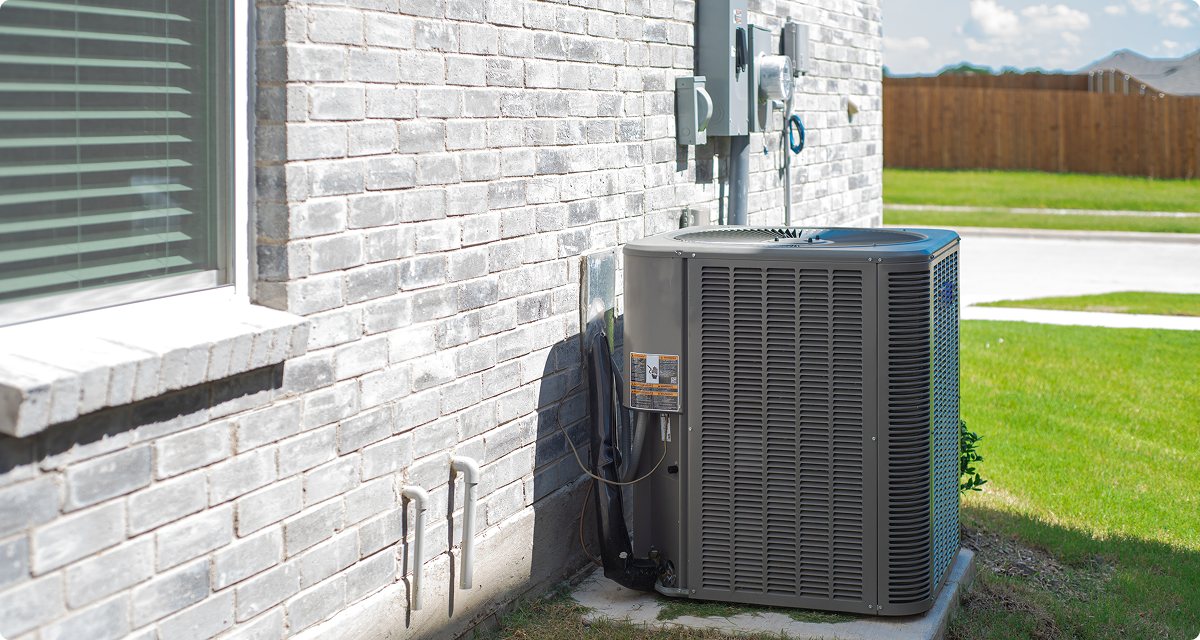
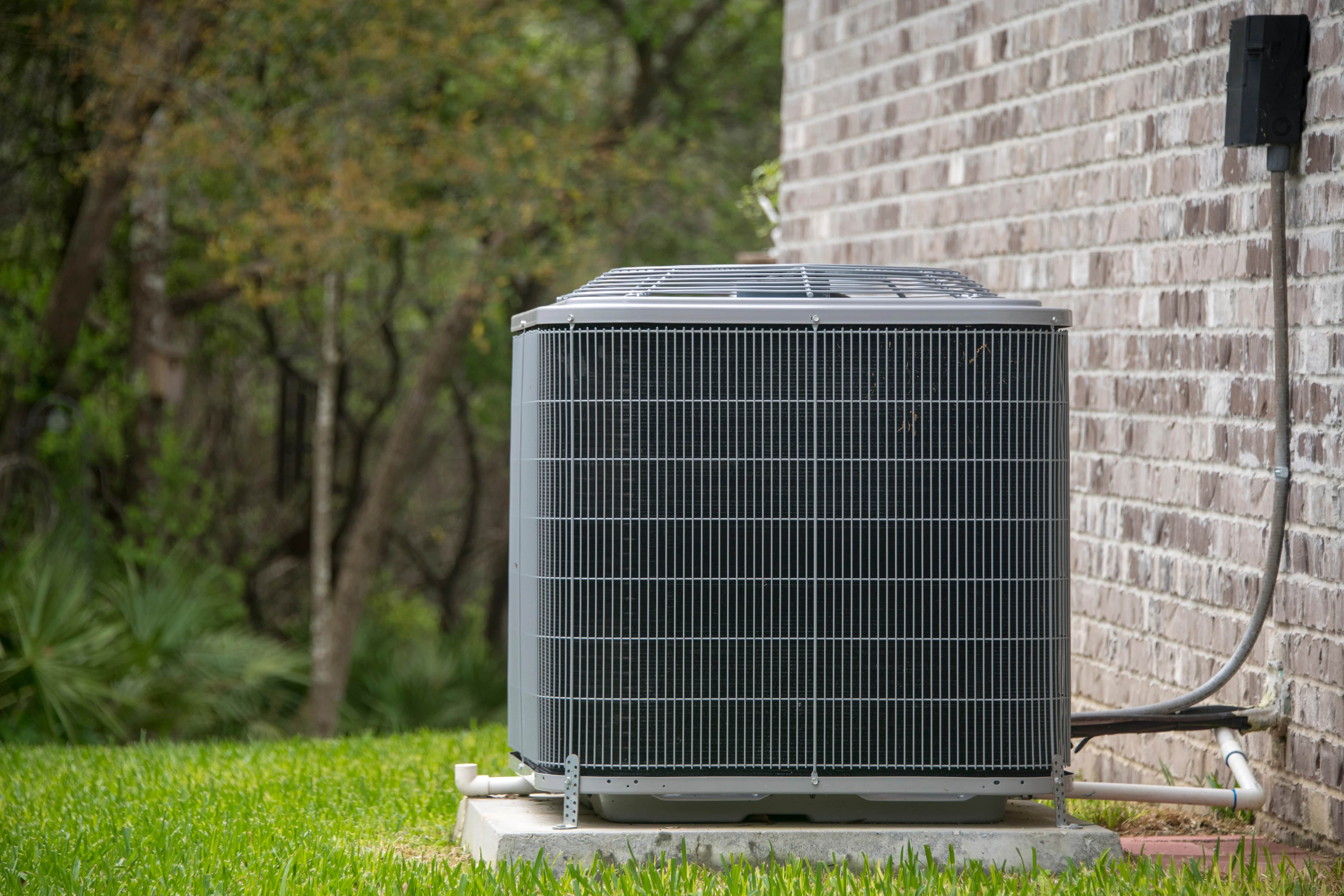
When your HVAC system breaks down, it can be an expensive repair. And because these essential systems last so long, homeowners aren’t always prepared for the financial hit when a breakdown finally happens.
As an American Home Shield® member, you get benefits that extend beyond your plan’s repair coverage. The New HVAC System Program connects you with an experienced Frontdoor Pro who will inspect your current system, walk you through your options, and handle everything from the free in-home quote to installation and removal of your old equipment.
This article will explore what an HVAC upgrade is, when it makes sense to consider one, and how American Home Shield gives you access to upgrading your HVAC system.
Table of contents
How the New HVAC Program works
How AHS goes beyond HVAC upgrades
An HVAC upgrade improves or replaces major parts (or the entirety!) of your heating and cooling system to restore performance, improve efficiency, or bring it up to current standards. This includes existing ductwork.
No matter how well you maintain it, every HVAC system eventually reaches a point where repairs stop making sense. Ductwork wears down. Efficiency drops. Refrigerant standards change. When that happens, your AHS plan can help you take the next step, rather than sinking more money into a system that's past its prime.
Upgrading your HVAC system can include:
For many homeowners, the word “upgrade” feels optional. But when your system struggles to cool your home evenly, runs constantly, or breaks down repeatedly, HVAC efficiency upgrades may really be the smartest move for your home long-term.
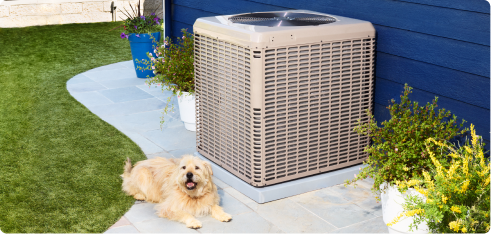
Your HVAC system can feel like a permanent part of your home. It runs quietly in the background, season after season. But like any major system, it has a lifespan. Most air conditioning and heating systems last an average of 16-19 years. If your system is nearing that range or past it, it may be time to consider an upgrade.
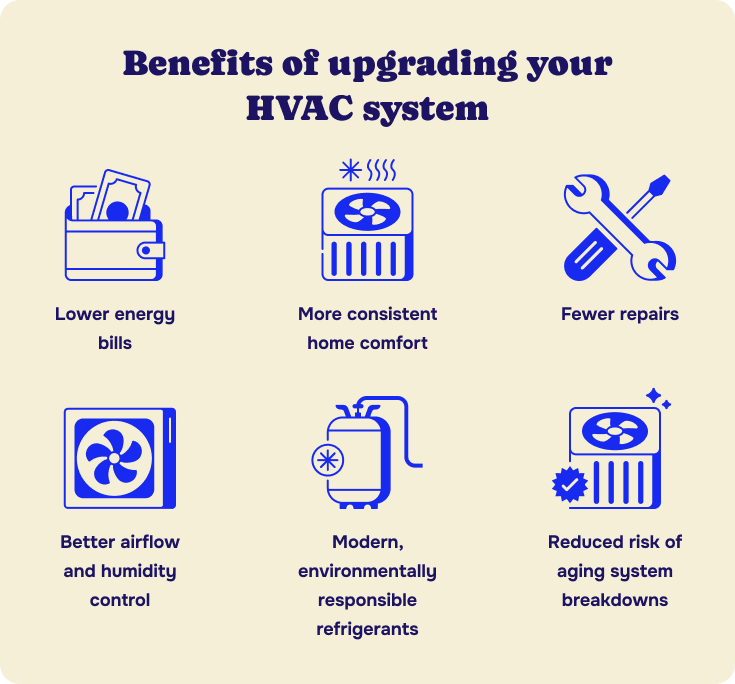
Upgrading your HVAC system can:
Heating and cooling account for a large portion of home energy use. Replacing older equipment with ENERGY STAR certified systems can cut annual energy bills by nearly $140, depending on where you live.1 As efficiency standards continue to evolve over time, making HVAC efficiency upgrades can mean lower monthly costs over time.
If some rooms are always too hot, too cold, or feel humid, or you notice other problems with your indoor air quality, your system may be struggling. An upgrade can improve airflow, maintain more consistent temperatures, and better manage humidity levels. The result is a home that feels balanced, not patchy.
As HVAC systems age, repairs tend to come more frequently. Parts get harder to source. Breakdowns have a way of happening at the worst possible time, like the hottest week of summer or the coldest stretch of winter. Getting ahead of repeated failures means fewer disruptions and more predictable costs down the road.
Older systems may rely on outdated refrigerants like R-22 or even R-410A, which are being phased out due to their high global warming potential.2 As supply decreases, servicing these systems gets more expensive, and depending on your coverage, some refrigerant costs may require out-of-pocket expenses. Newer systems use refrigerants that meet current federal guidelines and are more environmentally responsible, such as R-32 or R-454B. Upgrading your HVAC system now makes sure you stay compliant and avoid future high costs and potential non-covered costs under your home warranty.
Sometimes the need for an HVAC upgrade is obvious, like when your system stops working and a Pro determines a repair isn't the right call. But more often, the signs show up gradually. A system that's aging or struggling may still run, just not as efficiently or reliably as it once did.
If you’re not sure whether it’s time to upgrade your HVAC, here are a few questions to ask yourself:
Replacing an HVAC system can feel overwhelming. Between equipment costs, installation, permits, and choosing the right system, many homeowners don’t know where to start. The American Home Shield New HVAC Program* helps make that process simpler.
Through the program, members can upgrade their HVAC system while taking advantage of American Home Shield’s national buying power. That means access to trusted equipment brands, professional installation, and potential savings of thousands** on the cost of a new system.
Instead of coordinating multiple contractors and quotes on your own, the New HVAC program provides a guided path from inspection to installation.
*HVAC system upgrades are offered by Frontdoor Pro and performed by a Frontdoor Pro independent service contractor. For Frontdoor Pro license numbers, please visit http://pro.frontdoor.com/contractor-licenses. Service may not be available in all areas.
The New HVAC Program is designed for homeowners who:
If your system is nearing the end of its lifespan or repair costs are starting to add up, the program can help simplify the transition to a new HVAC system.
**Pricing and amount of savings will vary based on location and equipment availability. Not available in all areas.
Explore how our home warranty plans can help keep your AC in working order all season long.
The New HVAC Program* guides homeowners through the replacement process step by step, from evaluating your current system to installing a new one.
*HVAC system upgrades are offered by Frontdoor Pro and performed by a Frontdoor Pro independent service contractor. For Frontdoor Pro license numbers, please visit Frontdoor Pro Licensing Information . Service may not be available in all areas.
†Financing provided by an independent financing company not affiliated with American Home Shield or Frontdoor Pro.
Here’s what the process typically includes:
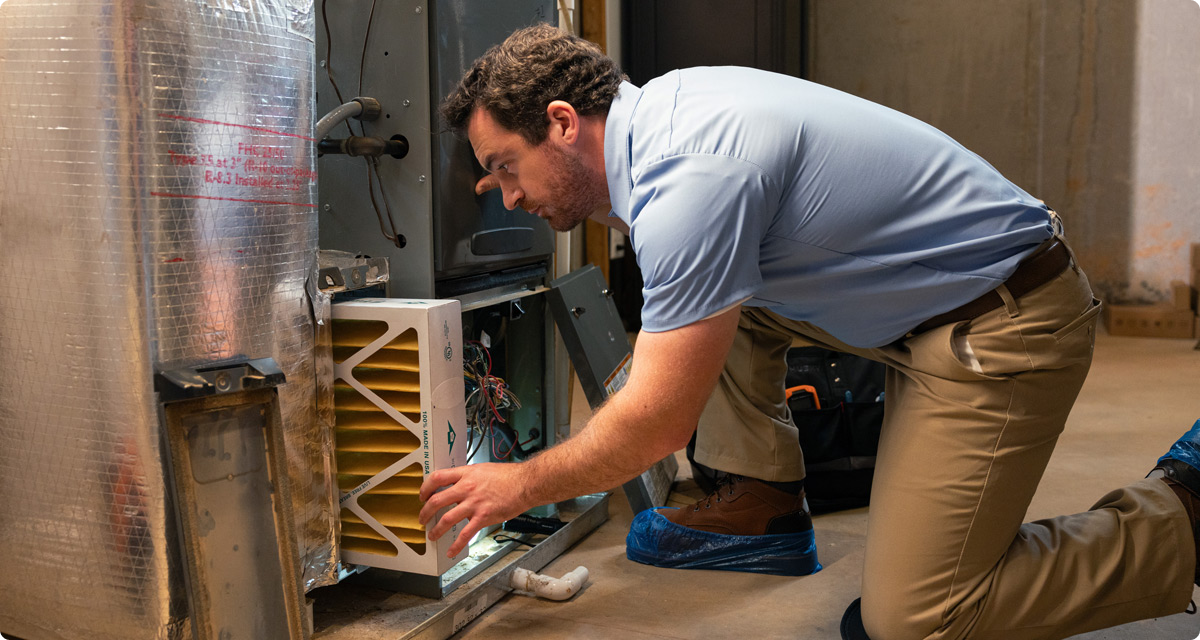
An independent contractor* will inspect your current HVAC system and evaluate your home’s heating and cooling needs. Based on that assessment, you’ll receive a free in-home quote and recommended system options. In the event of a covered failure, if an upgrade is chosen instead of a covered repair, any applicable credit will be explained during the quote process so homeowners can clearly see how the cost of upgrading compares to repairing the system. Choosing to upgrade is always optional.
*HVAC system upgrades are offered by Frontdoor Pro and performed by a Frontdoor Pro independent service contractor. For Frontdoor Pro license numbers, please visit Frontdoor Pro Licensing Information . Service may not be available in all areas.
†Financing provided by an independent financing company not affiliated with American Home Shield or Frontdoor Pro.
You can choose from trusted HVAC brands and equipment that fits your home’s size, efficiency goals, and budget. Because American Home Shield works with national suppliers, homeowners may benefit from purchasing power that can help reduce equipment costs compared to buying independently.
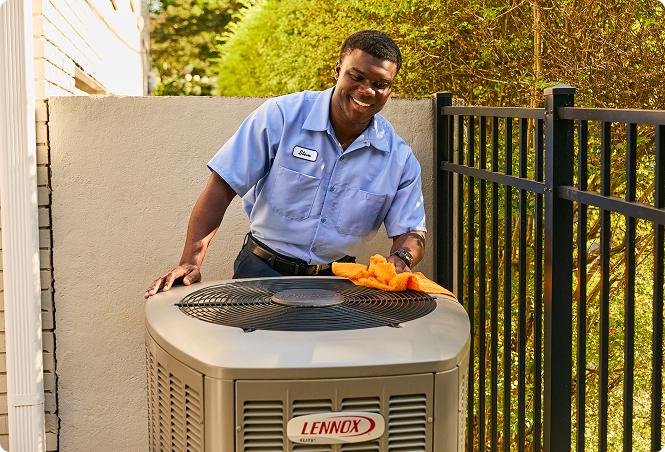
Once you select your system, experienced professionals handle the installation process, including:
To help make upgrading your HVAC system more manageable, financing options** may be available so you can spread out the cost rather than paying all at once. It's also worth knowing that American Home Shield® plans include a Covered Item Limit (CIL) of up to $5,000 per contract term for HVAC systems, which can be applied toward covered repairs or replacement.
**Financing provided by an independent financing company not affiliated with American Home Shield or Frontdoor Pro.
Become an AHS member and get access to the New HVAC Program, plus coverage for the systems and appliances you rely on every day.
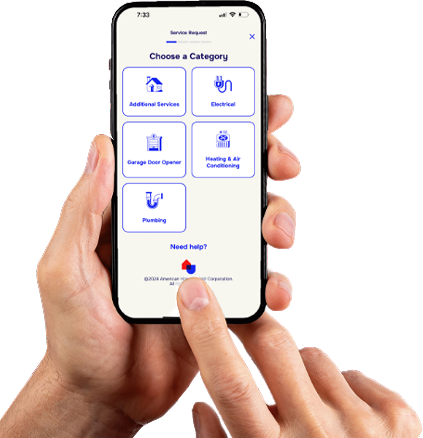
Upgrading your HVAC system can be a big decision, but it doesn’t have to be one you face alone. Beyond the New HVAC program, AHS members get access to a host of home warranty benefits that keep systems and appliances running longer, including seasonal HVAC tune-ups, and with select plans, the option to video chat* an HVAC Expert for advice and even a potential DIY fix.
With coverage that extends to 28 of your home’s most important systems and appliances, having a home warranty plan means that when a covered part of your home needs attention, you’ll have support and professional guidance every step of the way.
Looking for more ways to keep your home comfortable year-round? Visit the Home Matters blog for more HVAC resources, including how to troubleshoot common AC problems, and understanding the warning signs before small issues become major repairs.
*See the plan agreement for coverage details, including service fees, limitations and exclusions. Coverage limits and charges for non-covered items may apply. Video chat available as a member benefit with select AHS plans. Video chat hours are from 8AM-9PM CST, 7 days/week. Subject to change.
Gain access to our New HVAC Program and explore how our home warranty plans can help keep your AC in working order all season long.
AHS assumes no responsibility, and specifically disclaims all liability, for your use of any and all information contained herein.
Sources:
1 https://www.energystar.gov/saveathome/heating-cooling
2 https://www.epa.gov/ods-phaseout
3 https://www.eia.gov/todayinenergy/detail.php?id=65284
Air conditioning systems last an average of 16 years.* Heating systems typically last a bit longer, with an average of 19 years.* Factors like climate, system size, maintenance habits, and how often the system runs can all affect lifespan.
*This lifespan is an average estimate based on industry and government sources. Actual system lifespan can vary depending on factors like maintenance, usage patterns, climate, installation quality, and system type.
The cost to replace an HVAC system can vary widely depending on the size of your home, the type of system installed, equipment efficiency, and installation requirements. According to a 2024 survey by ClearVantage for American Home Shield, it can potentially cost up to $6,000 to repair your AC unit without a home warranty, and up to $5,600 to repair your heating unit.**
Other factors that may affect cost include ductwork modifications, electrical updates, permit requirements, and labor. Because every home is different, the best way to estimate the cost of replacement is through a professional in-home inspection and quote.
*Repair/replacement cost is the eightieth percentile as reported in a nationwide survey of homeowners conducted in 2024 by ClearVantage for American Home Shield
No. Requesting a quote through the New HVAC Program does not require a service fee.
Homeowners can receive a free in-home inspection and quote to evaluate their current system and explore replacement options. This allows you to understand your system’s condition, review equipment choices, and see potential costs before deciding whether to move forward with an upgrade. Largely due to inventory status, quotes expire after 30 days of issuance.