How to Recharge Your Home AC Unit and How Much It Costs

AHS Editorial Team
December 10, 2025
Recharging your AC can cost hundreds of dollars, and because refrigerant must be handled by licensed Pros, it’s not a DIY project. Here’s what homeowners need to know.
Key takeaways
- An AC recharge is the process of adding refrigerant back into your system, but it should only be done by a certified HVAC Pro.
- A home AC recharge is usually needed only if there’s a refrigerant leak—without a leak, systems shouldn’t require recharging.
- Costs vary depending on refrigerant type, but a recharge can run several hundred dollars. An American Home Shield® home warranty can help cover these expenses.
When the summer season rolls around and the thermostat rises, the air conditioner becomes the most important system in the house. But if your unit starts blowing warm air or building up frost, you may wonder if the AC needs to be recharged.
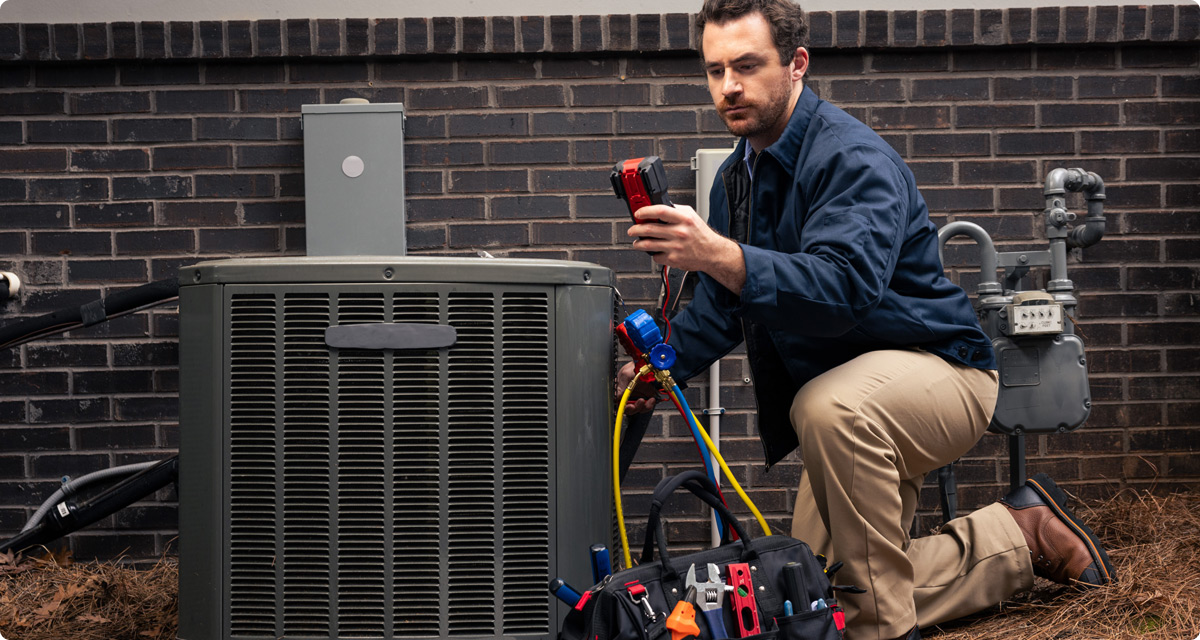
An AC refrigerant recharge is the process of adding more refrigerant to your system and ensuring it’s under the right pressure and temperature so your AC can cool properly. Because refrigerant is regulated and hazardous to handle, only a licensed HVAC Pro can perform an air conditioning recharge.
This guide will explain what an AC recharge means, how to spot the signs your system may need one, what it costs, and how a home warranty from American Home Shield can help protect your budget.
What does recharging your air conditioner mean?
When people talk about an AC freon recharge, they’re referring to adding refrigerant back into the cooling system and making sure it’s properly pressurized. Refrigerant is the chemical compound that absorbs heat from the air inside your home and releases it outdoors, keeping your living spaces cool.
Note: Many people use “Freon” as a catch-all term for refrigerant, but it’s actually a brand name for a type of refrigerant (R-22) that has been largely phased out due to environmental regulations. The word “Freon” is still sometimes used to refer to refrigerants in general.
It’s important to know that refrigerant isn’t something homeowners should handle on their own. Under EPA regulations, only certified heating and cooling Pros can perform a home AC recharge. Even though you may see DIY air conditioning recharge kits on the market, using them is unsafe and can cause serious damage.
Why an AC may need a refrigerant charge
Air conditioners are built with sealed refrigerant systems, which means they typically don’t require additional refrigerant during their lifespan. In fact, your unit should never run low unless there’s a leak. If you do need an AC freon recharge or refrigerant refill, it usually means refrigerant is escaping somewhere in the system.
Leaks can develop in the refrigerant lines, coils, or connectors over time. When this happens, your air conditioner will slowly lose cooling power, and you may notice warm air blowing from the vents or ice forming on the coils. In these cases, a repair Pro may recommend an AC refrigerant recharge after repairing the leak to get your system working properly again. This repair is only done in the event of a leak, however, and not as a part of regular HVAC maintenance.
How to tell if your home AC needs to be recharged
There are a few warning signs that your cooling system may need an AC recharge. Most of these symptoms point to a refrigerant leak, which means you’ll need both a recharge and a professional repair to stop the leak before the problem returns.
Common signs your AC may need a recharge include:
- Warm air from vents: If your AC is low on refrigerant, it can’t absorb enough heat, so you’ll notice the air getting warmer over time.
- Frost or ice buildup: While a little frost on the coils can be normal, heavy ice inside or outside the unit may mean a refrigerant leak.
- Nonstop cycling: If your AC is constantly running but struggling to cool your home, low refrigerant could be the cause
- Sudden higher cooling costs: A leak makes your system less efficient, which can drive up your utility bills without improving comfort.
If you notice any of these issues, it’s important to call in an HVAC Pro to inspect the system for leaks and make repairs, ensuring your air conditioning recharge actually solves the problem long-term.
What does a typical AC recharge cost?
The cost of an AC refrigerant recharge depends on several factors, including the type of refrigerant your system uses, the size of your unit, and your location. Most systems require 2 to 10 pounds of refrigerant, and prices vary depending on whether your unit uses an older refrigerant like R-22 or R-410A or a newer, more environmentally friendly option like R-32 or R-454B.
Here’s a breakdown of average refrigerant costs per pound1:
| Refrigerant Type | Average Cost per Pound | Estimated Total Cost (2–10 lbs) |
| R-22 (phased out, limited supply) | $90–$150 | $180-$1,500 |
| R-410A | $40-$70 | $80-$700 |
| R-32 | $50-$80 | $100-$800 |
| R-454B | $65-$120 | $130-$1,200 |
Keep in mind: These costs only cover the refrigerant itself. If your AC needs leak repairs, labor, or other parts replaced, you’ll likely pay more.
Is it better to repair the leak or replace the unit?
Sometimes, recharging and repairing your AC is the right choice. Other times, it makes more sense to invest in a new system. Here are a few situations where replacement might be the smarter move:
- Your unit is 15–20 years old. Older systems are more likely to develop repeated problems and may use outdated refrigerants.
- The repair cost is close to the cost of a new unit. If you’re spending nearly as much as a replacement, upgrading can be more cost-effective in the long run.
- Frequent breakdowns. If you’ve needed multiple AC repairs recently, that pattern is unlikely to stop.
- Your system still uses R-22 or R-410A refrigerant. R-22 has already been phased out, and R-410A is currently being phased down. Starting in 2025, newly manufactured AC systems must use lower global warming potential refrigerants like R-32 or R-454B.
Can a home warranty help?
Even with routine maintenance, your AC can still develop leaks or other issues over time. That’s where a home warranty comes in. With a plan from American Home Shield, you don’t have to shoulder the full cost of an AC refrigerant recharge or major repair on your own.
|
ShieldPlatinum™ Members enjoy unlimited refrigerant coverage. No matter how many pounds your system needs, there’s no additional cost for the refrigerant itself. And: one free HVAC tune-up per plan agreement term is included. |
ShieldSilver™ & ShieldGold™ These plans cover up to $10 per pound, helping offset what can otherwise be a significant expense. Tune-ups are available in the spring and fall for just $100 a unit. |
Plus, if your AC system can’t be repaired, AHS will help replace it subject to your plan agreement. And with the New HVAC Program, members can access exclusive pricing on eco-friendly, high-efficiency systems that use refrigerants designed to meet new EPA standards. That means peace of mind today and preparation for the future.
AHS assumes no responsibility, and specifically disclaims all liability, for your use of any and all information contained herein.
Frequently Asked Questions
A home AC recharge should only be needed if your system has a refrigerant leak. Because refrigerant lines are sealed, you won’t normally need to add more during your unit’s life span. If you do notice low refrigerant, it’s a signal that a Pro needs to inspect, repair, and then recharge it.
No. Under EPA regulations, only certified HVAC Pros can perform an AC recharge. While DIY kits may be sold online, they can be dangerous and cause long-term damage to your unit. Refrigerant is hazardous if mishandled, so it’s always best to rely on a licensed Pro.