Common ceiling fan issues and fixes to try first
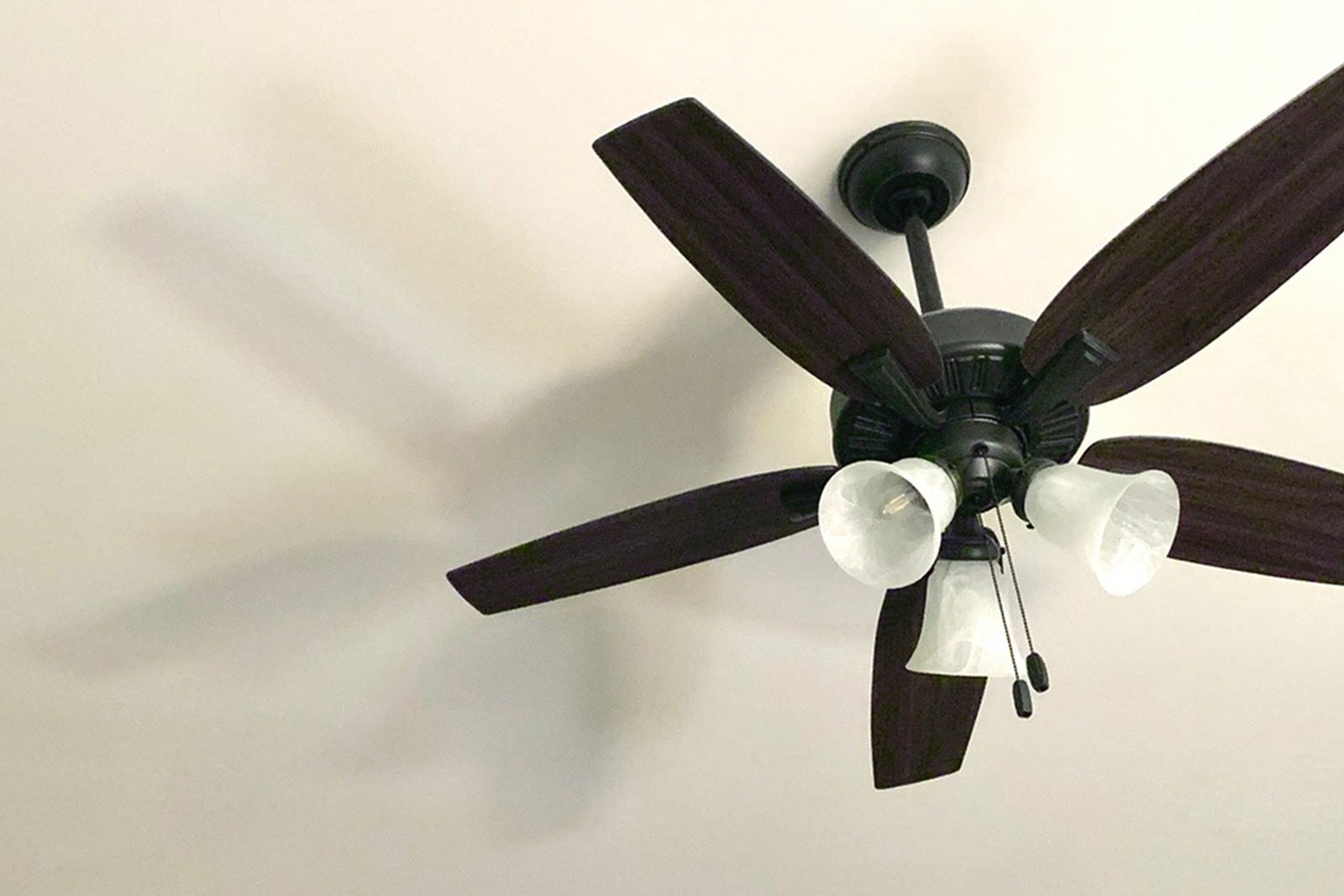
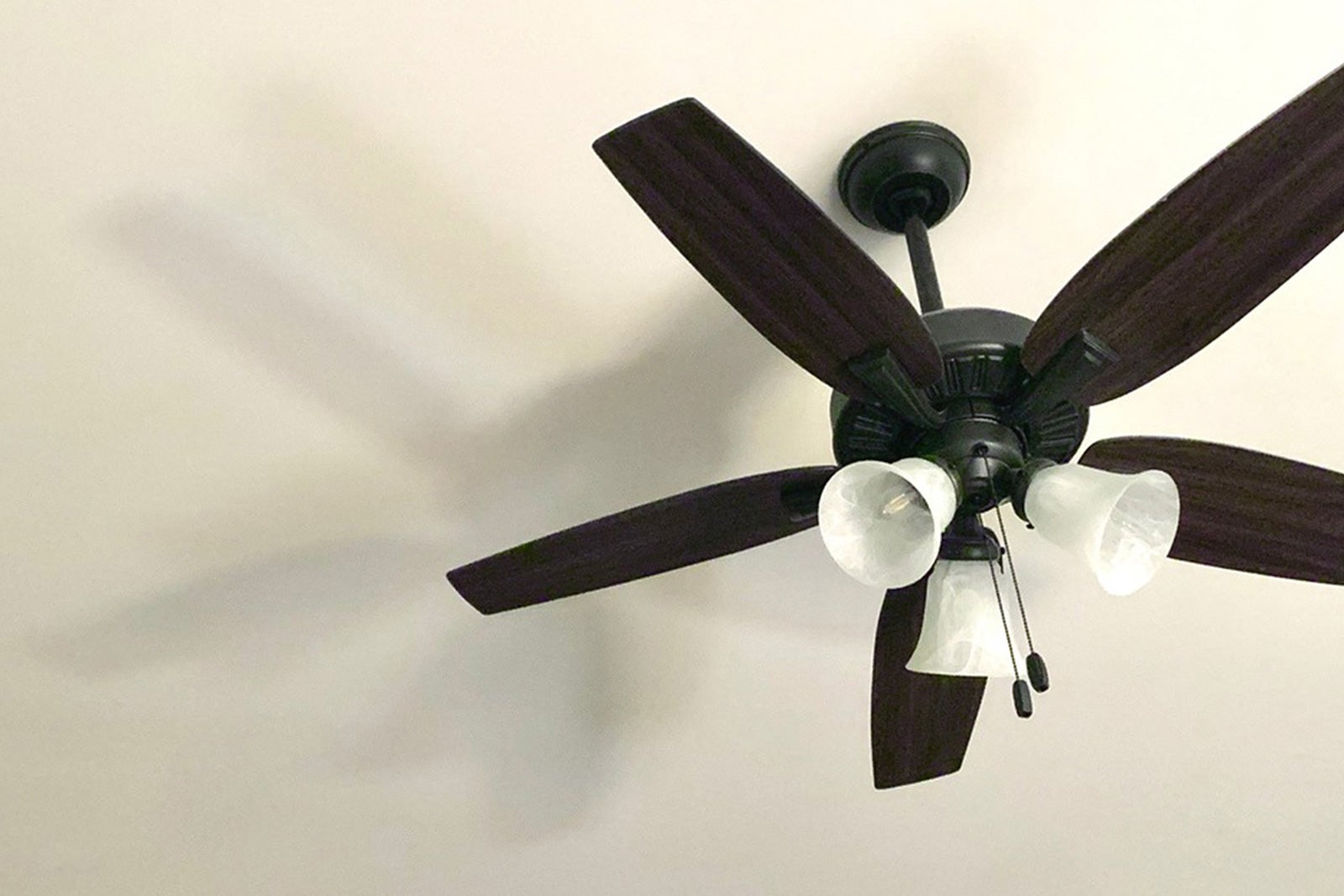
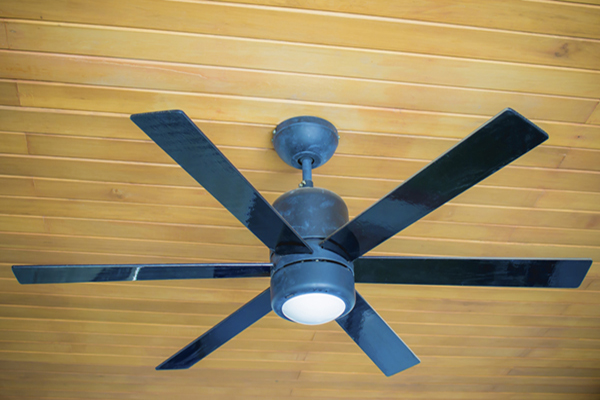
Ceiling fans can act up in a handful of predictable ways. If you’re searching how to fix an electric fan, begin with these simple troubleshooting tips:
The light works, but the blades won’t budge
Start with the controls you can reach. Flip the wall switch on, click through any pull-chain speeds, and install a fresh remote battery. If the remote’s little LED blinks but the fan ignores it, try the same reset sequence Jeremiah used above. That quick re-pair often restores the connection between the remote and the receiver and can fix electric fan glitches in seconds.
Nothing responds
Think power before parts. Check the room’s breaker and reset it once if it’s tripped. If it trips again or you smell heat, stop and schedule a tech visit. When other lights and outlets in the room work, whole-room power loss is unlikely; focus back on controls or pairing rather than opening the fan’s canopy.
The fan spins, but only on one speed or everything feels sluggish
Rule out simple drag first. With the switch off, wipe dust from the blades and make sure nothing is brushing up against them. If the fan remains weak across all speed settings, an internal component (often a capacitor) may be aging. Skip DIY how-to fix electric fan motor videos, and book a technician to handle the internal parts and wiring.
Wobbles, shakes, and rattles
Most fan wobble is caused by loose hardware or slight blade imbalance. Turn off the power to the fan, and snug any visible screws on the fan blades and light kit. If the shimmy lingers, use the balancing clips or weights that came with the fan. If the canopy or mounting bracket shifts, pause use of the fan until you can get a technician to check it out.
Humming or buzzing sounds
Take a peek at the wall control. A standard light dimmer can cause noise or poor starts, because dimmers aren’t designed for fan motors. Swap to a fan-rated speed control or use the manufacturer’s remote. Noise paired with heat or smell is a red flag to stop and schedule service.
Breeze feels wrong for the season
In warmer months, set the fan counterclockwise for a cooling breeze. In cooler months, use clockwise on low to gently recirculate warm air. That simple switch is one of the easiest ways to begin learning how to fix an electric fan without touching the thermostat.
Could your home appliances use a reset? Don’t Worry, Be Warranty.
Small issues with your home systems and appliances can steal big chunks of your day. AHS is here to help get some time back. Our plans help with covered breakdowns caused by normal wear and tear, and our AHS member app makes it easy to request service, track updates, see coverage details, and access perks straight from your phone.
Compare plans side-by-side to see what fits, and be ready for whatever your place throws at you.
*See the plan agreement for coverage details, including service fees, limitations and exclusions. Coverage limits and charges for non-covered items may apply.