Spring Into Action: Exterior Home Maintenance Guide
As you gear up for spring cleaning, don’t forget to extend that productive energy to the exterior of your home. We’ve compiled a guide to keeping the outside of your home in excellent shape, from the base of your foundation to the highest peak of your roof.
Winter was tough on your home— ice, snow, wind, and who-knows-what-else took their toll. But now? The sun’s out, the birds are back, and it’s time to shake off the hibernatory impulse. A little exterior house maintenance is a great way to seize the springtime spirit and save yourself from expensive outdoor home repairs down the line.
Why exterior home maintenance matters
When things fall into disrepair inside your house, you notice. But you might not always keep such careful tabs on the exterior of your home. Regular general home maintenance keeps your house looking nice, but it also helps you protect your home long-term, ensuring that it will be a place of shelter and comfort for years to come.
Regular outdoor home repair offers:
Weather protection
Big weather events can wreak damage on your house over time. Taking advantage of mild seasonality allows you to assess the damage and prevent leaks and rot when the weather changes.
Enhanced curb appeal
A well-kept home is a smart financial move. Keeping your home looking sharp is important when it eventually comes time to sell.
Prevention against costly repairs
A cracked shingle today can turn into a leaky roof tomorrow. A clogged gutter now could mean water damage later. Small fixes now = big savings down the road.
Exterior home maintenance checklist
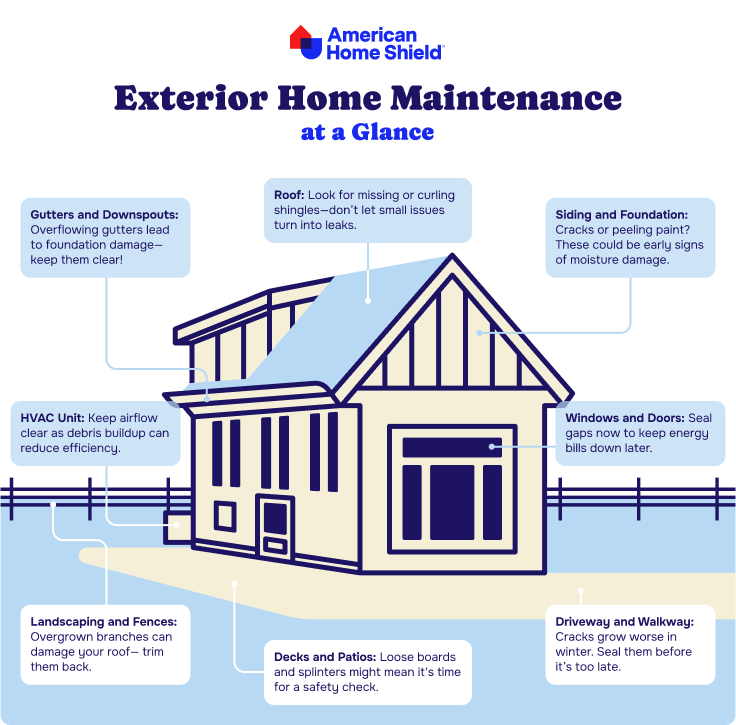
Your home’s exterior takes a beating from the elements year-round, but you can safeguard it with some routine outside house maintenance. Let’s break it down zone
by zone.
Roof Reality Check
Your roof is your home’s first line of defense against rain, snow, and sun. That’s why it should be one of the first stops on your exterior house maintenance tour.
Scan for damage
Walk around your home with binoculars or climb up safely to look for:
Missing or curling shingles: A sign they’re nearing the end of their lifespan.
Sagging or uneven areas: Could indicate trapped moisture or structural issues.
Leaks or water stains in the attic: A telltale sign your roof isn’t as watertight as it should be.
Clear off debris
Leaves and branches can trap moisture, leading to rot and mold. If you have overhanging trees, trimming them back will help prevent buildup.
Siding and foundation fixes
If you think about your house anatomically, your siding is like your home’s skin, protecting everything underneath from the elements. And your foundation would be the backbone keeping everything upright. Here’s how to tend to these vital home organs:
Inspect the siding for damage
Look for cracks, warping, or peeling paint. Larger cracks can allow water to seep in, and bubbling or discolored siding indicates trapped moisture that could lead to rot.
Give the siding a good wash
Vinyl and brick benefit from power washing to remove dirt, mold, and mildew. Wood siding should be cleaned with a gentler approach— soft brushing and a mild detergent.
Check the foundation for cracks or shifts
Hairline cracks are common, but if you notice widening gaps or signs of settling (like doors not closing properly), consult a Pro.
Watch for pests
Look for mud tunnels (termites), sawdust-like debris (carpenter ants), or small holes (rodents). If you spot anything suspicious, call pest control.
Gutters and downspouts detox
Clogged gutters make for bad drainage, but they can lead to roof leaks, foundation damage, and even mold. Here’s how to avoid that:
Clean out debris
Grab a sturdy ladder, some gloves, and scoop out leaves, twigs, and gunk. A garden hose can flush out smaller debris.
Check for wear and tear
Sagging gutters mean they’re overloaded or poorly fastened— tighten brackets or replace sections as needed. Use gutter sealant for rust and holes, or replace beyond-repair metal sections entirely.
Consider installing guards
Gutter guards help block debris while letting water flow freely, reducing the need for frequent cleanings.
Window and door TLC
Well-maintained windows and doors keep energy bills down and critters out. To aid in this noble mission, you can:
Inspect seals and caulking
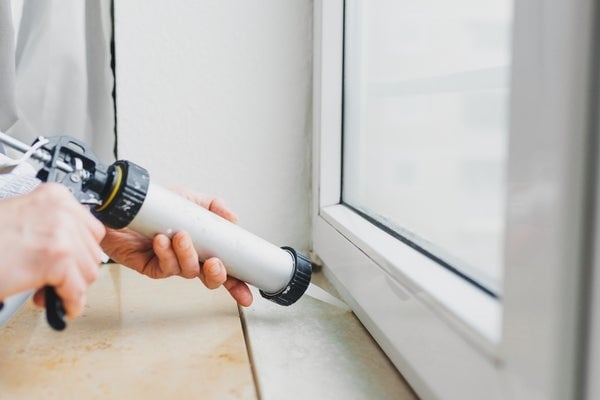
Gaps around windows and doors let air and moisture in. Apply fresh weatherstripping or caulking where needed to keep things tight.
Clean glass, tracks, and screens
A little soap, water, and a squeegee go a long way. Remove and rinse screens to clear out dirt and pollen.
Check locks and hinges
Make sure everything opens and closes smoothly— sticking doors could mean shifting foundation or humidity issues.
Driveway and walkway touch-ups
Cracks in your driveway or sidewalk are ugly, but they can lead to bigger structural problems. Here’s what to do:
Fill and seal cracks
Use concrete filler for small cracks. For asphalt driveways,
a fresh seal coat every couple of years prevents water penetration and extends its life.
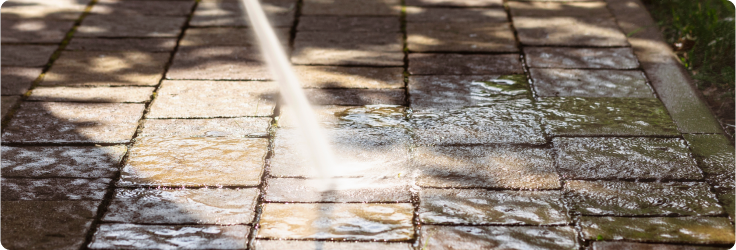
Power wash for a fresh look
Dirt, moss, and oil stains disappear fast with a good pressure washing.
Deck and patio revival
Your outdoor hangout spot needs some love before summer BBQ season.
Inspect for wear and tear
Check for loose boards, rusted nails, or rotting wood. If you see splintering or soft spots, replace damaged sections before they become safety hazards.
Restain or reseal wood surfaces
Wood decks need a fresh coat of stain or sealant every 2–3 years to stay weatherproof.
Landscaping love
A well-maintained yard adds curb appeal, yes, but it also helps prevent home damage.
Trim trees and shrubs
Overgrown branches can scrape your siding or clog your gutters. Keep greenery at least a few feet away from your home.
Inspect for drainage issues
Pooling water near your foundation can lead to leaks— make sure the ground slopes away from your house.
Fence and gate fixes
Wind, rain, and shifting ground can wear down fences.
Tighten loose hinges, replace broken boards
A wobbly fence won’t protect your yard (or your privacy). Reinforce weak sections now before summer storms test their strength.
Restain or repaint
A fresh coat prevents wood from rotting and keeps everything looking sharp.
Outdoor system maintenance
While a big part of outside home maintenance is keeping your home’s architecture looking spiffy, you also can’t neglect the outdoor systems that keep your home running smoothly.
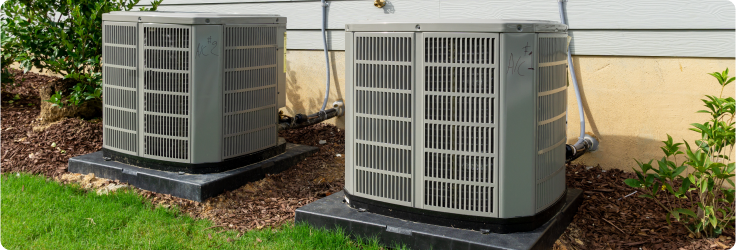
HVAC tune-up
Your air conditioning unit worked hard last summer— it’s time for a check-up before the heat returns. Make sure to:
Clear debris
Clean away leaves, dirt, and debris around your outdoor unit so airflow isn’t blocked.
Deep clean
Gently clean the coils and fins with a soft brush or vacuum to keep efficiency high.
Self inspection
Inspect your unit for rust or wear. If your unit looks worse for wear or makes strange noises, it might be time for a Pro inspection.
Irrigation system check
Now that there’s no longer a layer of frost blanketing your lawn, it’s time to get your outdoor irrigation system back up and running. You should:
Sprinkler check
Test sprinklers and adjust their spray patterns to your preferences.
Efficiency check
Fix leaks and clogged nozzles to avoid wasting water or flooding your yard.
Check backflow preventers
Backflow preventers keep dirty water from contaminating your home’s water supply, so you’ll want to make sure yours is working properly
Outdoor lighting check
Sure, the nights are staying brighter longer, but you’ll still need your outdoor lighting system to create an ambient glow for those nights on the deck or patio. Consider:
Bulb replacement
Replacing burnt-out bulbs
Deep clean
Cleaning your fixtures
Energy efficiency boost
Upgrading to LED bulbs for energy savings
Seasonal considerations: Timing is everything
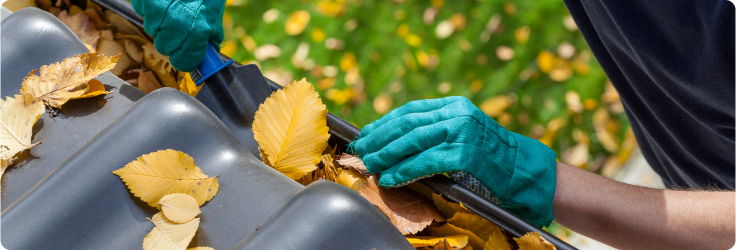
Some exterior home maintenance tasks are best tackled in certain seasons— either for efficiency, safety, or just plain common sense. Here’s your season-by-season breakdown to keep your home in peak condition all year long.
Spring: Inspection and recovery mode
Clean gutters and downspouts
Melting snow leaves behind debris, so clear it out before spring showers hit.
Inspect for winter damage
Check your roof, siding, and foundation for cracks, leaks, or pest damage.
Tune-up your HVAC
Get your A/C checked now before summer heat waves send everyone scrambling for appointments.
Summer: Deep clean and growth control
Power wash siding, driveways, and decks
Get rid of built-up dirt, mildew, and grime.
Inspect and maintain your irrigation system
Fix leaks and adjust sprinkler patterns before peak watering season.
Trim trees and shrubs
Keep branches away from your home and prevent overgrowth from causing damage.
Fall: Prep for cold weather
Protect outdoor plumbing
Shut off outdoor water lines and cover spigots to prevent freezing.
Remove snow buildup
Too much weight on your roof can lead to structural damage.
Monitor ice dams and clear pathways
Ice buildup on the roof can lead to leaks, and slippery walkways are an accident waiting to happen.
When to call a Pro
Some outdoor home repairs are perfect for a DIY weekend, but others? Best left to the Pros. If you run into any of these issues, don’t hesitate to bring in professional help:
1
Major roof or chimney problems
A few missing shingles? You can likely handle it. A sagging roof or chimney cracks? Call a roofer before a small issue turns into a major (expensive) repair.
2
Structural issues
If your foundation has large cracks or you notice your home shifting (like doors and windows suddenly not closing right), don’t wait— foundation repairs only get pricier over time.
3
Electrical or plumbing complications
Small fixes, like sealing a drafty window or swapping out a light fixture, are fair game. But for anything involving your electrical panel, gas lines, or major plumbing, call a licensed professional.
4
Large-scale landscaping projects
Need a full drainage overhaul or major tree removal? A professional landscaper or arborist will save you time and potential damage to your property.
5
Pest infestations
A few ants? Grab some traps. Termites in the walls or rodents in your attic? Call an exterminator before they cause
serious damage.
It’s what on the inside and outside
that counts
With an American Home Shield® home warranty plan, you’ll get much more than just coverage for the essential systems and appliances inside your home. With coverage options for everything from roof leaks to garage door openers, from your pool to your septic pump, American Home Shield knows that the systems outside your home work just as hard.
Plus, with select plans that include seasonal HVAC tune-ups, it’s even easier to make sure the interior and exterior of your home are working in harmony as the seasons switch.
AHS assumes no responsibility, and specifically disclaims all liability, for your use of any and all information contained herein.
Don't worry. Be warranty.
Have a plan for your home when things don't go according to plan
Shop Home Warranties