MEMORIAL DAY SALE
50% off* select plans for a year
Save big and let us handle covered home hassles.

Save big and let us handle covered home hassles.

Most oven problems—like an oven not heating up or stove fixes—can be traced to a small number of electrical, gas, or temperature-related issues, many of which can be identified with basic troubleshooting.
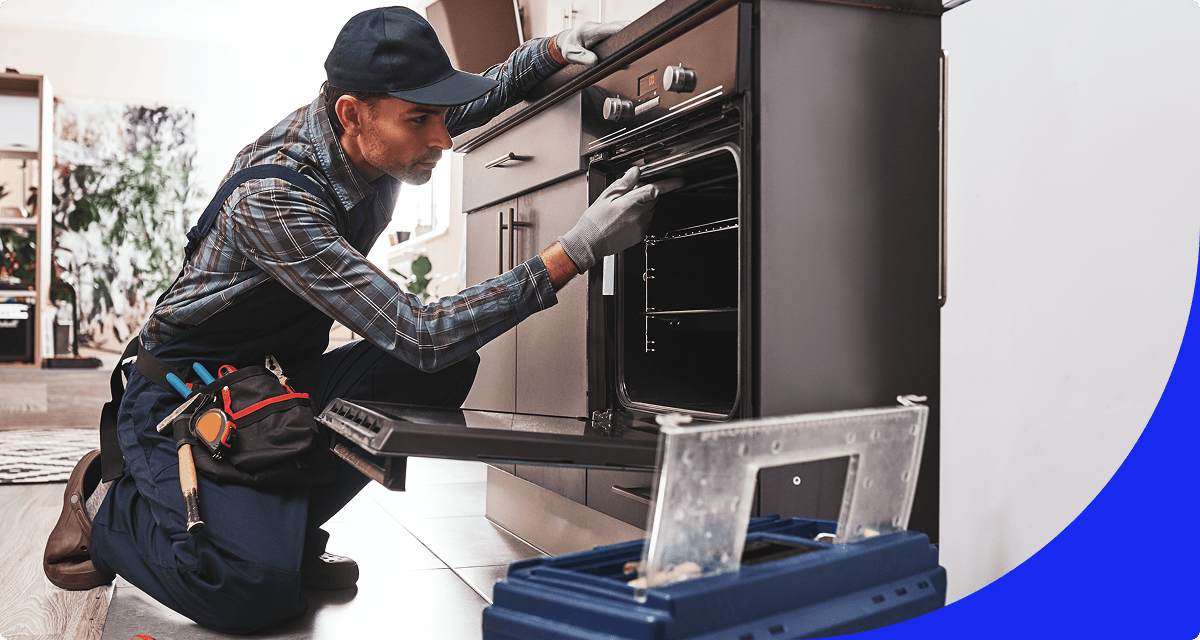
Few things disrupt a day faster than an oven that won’t cooperate, especially when dinner plans are already in motion. From food not cooking evenly, to ovens that aren’t working at all, trouble usually strikes at the time you need to use the appliance most.
In many cases, oven issues stem from worn parts, interrupted power, or components designed to shut things down for safety. Some fixes are simple and safe to check on your own, while others require professional attention, particularly when gas or internal controls are involved.
This guide walks through the most common oven problems, how to spot what’s likely causing them, and when it makes sense to stop troubleshooting and call in expert help.
When your oven is not heating up, the cause usually comes down to one failed part, or a power or gas issue preventing heat from reaching the oven cavity. The components that generate heat work differently across electric vs. gas models, which also means both models require different solutions.
In most cases, an oven not working properly shows up in one of two ways:
Here’s how heating problems vary across the two oven types
If your electric oven is not getting hot enough, the problem is often tied to a failed electrical component. Electric ovens rely on steady power and properly functioning internal parts to generate and regulate heat.
Common causes include:
A worn or damaged oven door seal. If the door seal is cracked or loose, heat escapes. This can cause the oven to run constantly but still not achieve the optimal temperature.
AHS home warranty members with select plans can use our video chat* feature to connect with an Expert to assess or fix oven issues right from your kitchen.
*Video chat available as a member benefit with select AHS plans. Video chat hours are from 8AM - 9PM CST, 7 days/week. Subject to change.
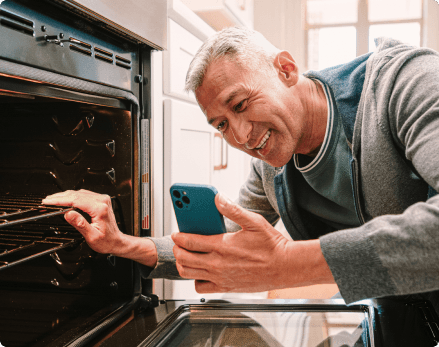
A gas oven not heating up usually points to an ignition or gas flow issue. Because gas systems involve open fuel lines, gas oven repair should always be approached with caution.
Common causes include:
A defective gas safety valve. The gas safety valve controls gas flow to the oven. If it fails, gas won’t reach the burner, and the oven will stop heating.
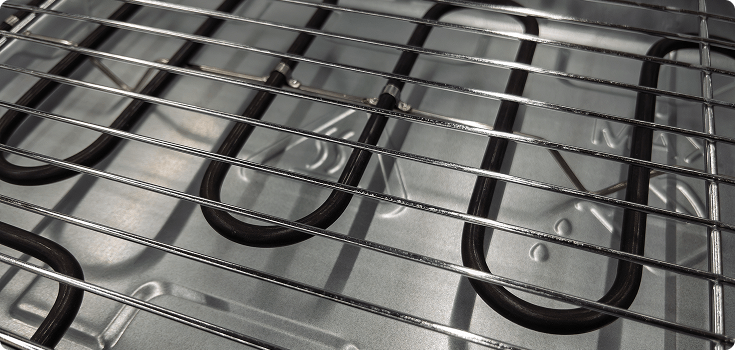
When your oven is not getting hot enough, some issues can be handled with basic troubleshooting, while others signal a bigger problem that requires professional help. Before starting any electric or gas oven repairs, turn off power to the oven at the breaker and shut off the gas supply if you have a gas model.
These steps walk through how to safely diagnose common problems when an oven is not working as it should.
Electric ovens rely on a steady electrical connection to heat properly. If your oven suddenly stops heating, start here.
A disrupted power supply can make it seem like you need to fix stove components when the problem is actually external to the oven.
For electric ovens, a faulty heating element is one of the most common reasons an oven is not working.
If the element is visibly damaged or burned out, replacement may restore normal heating. If the heating element is hidden or requires accessing internal wiring, replacement is often best left to a repair Pro.
Gas ovens depend on a working igniter to light the gas that heats the oven.
If a gas oven not heating up is paired with burners that also won’t light, the issue may go beyond the igniter. In those cases, gas oven repair should be handled by a Pro due to safety risks.
Protect your appliances with our home warranty plans.
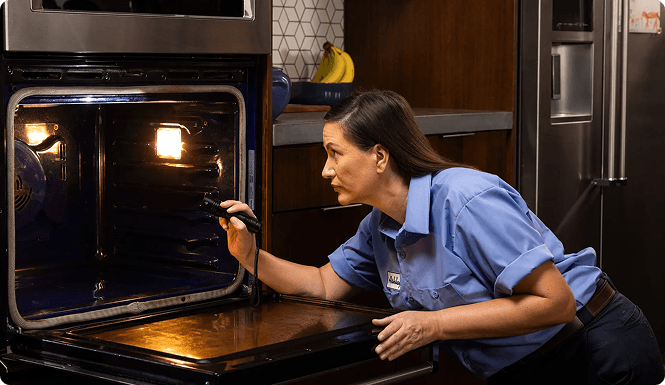
When an oven is not getting hot enough or heats unevenly, the temperature sensor may be to blame.
If your oven still isn’t heating correctly after replacing the sensor, return to checking the heating element or igniter.
A damaged or worn door seal allows heat to escape, which can prevent the oven from reaching the correct temperature.
If basic checks don’t resolve the issue, the problem may be inside the oven’s control system.
Because these components affect safety and electrical flow, repair and replacement is best handled by Pros.
If your oven turns on but consistently runs too hot or too cool, recalibration may help.
Recalibration can help resolve issues when an oven is not getting hot enough but still appears to function. If your oven has a convection setting, keep in mind that it may automatically adjust temperatures compared to standard bake, which can make calibration differences more noticeable.
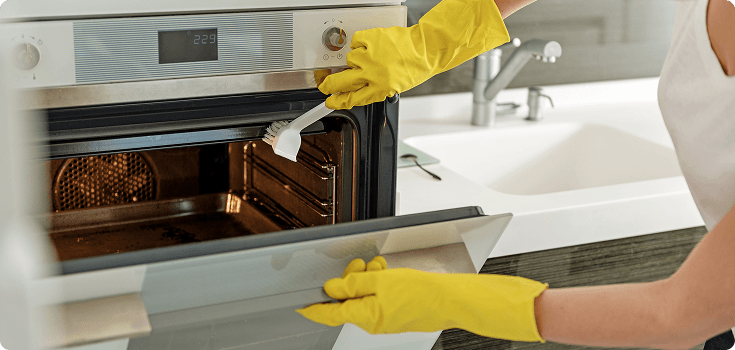
An oven not reaching the proper temperature is not the only kind of oven breakdown you might encounter. From stove fixes to lightbulb substitutions, here are some other common oven problems and how to fix them.
If you have a gas stove and the burner won’t light, the issue is often related to the igniter or a buildup of food debris.
You can try the following steps:
If the burner still won’t light and there’s no obvious issue like a power outage, the igniter may need to be replaced. In some cases, the problem could also point to a gas line issue. Because this can be hazardous, it’s best to stop troubleshooting and call a Pro.
Electric range burners rely on a steady electrical connection. If one burner won’t heat, it may be failing—or the socket beneath it may be damaged.
To troubleshoot:
If the problem continues, the infinite switch may need to be tested and replaced.
An oven door that won't shut properly is unsafe to use. Heat escapes, cooking becomes uneven, and cabinet surfaces nearby can sustain damage over time. Fire risk is also a real concern if the gap is significant.
To inspect the door:
An interior oven light that’s burned out is one of the simplest fixes.
Here’s how to replace it:
If your self-cleaning cycle won’t start or stops working, the issue may be related to settings or a failed internal component.
Start by checking the basics:
If the self-cleaning function still won’t work, the problem may involve the door lock motor, control board, thermostat, or another internal component. At that point, professional repair is usually required.
Some oven problems are safe to troubleshoot on your own, but others require professional experience—especially when gas, electrical systems, or internal controls are involved.
It’s time to call a Pro if:
Trying to push through complex repairs can create safety risks or lead to more costly damage. A trained repair Pro can diagnose the problem efficiently and help restore your oven safely.
While not every oven issue can be avoided, regular care can help catch small problems before they turn into bigger ones and extend the lifespan of your oven.
Food spills and grease buildup can interfere with burners, heating elements, and sensors. Wipe up spills as they happen and deep-clean the oven, including oven racks and the oven range filter, as recommended by the manufacturer to keep heat flowing evenly.
Slamming the door can damage hinges, loosen door seals, and throw off temperature sensors. Closing the door gently helps the oven maintain proper heat and reduces strain on internal parts.
Gas ovens benefit from occasional professional inspections to ensure the igniter, gas line, and safety valve are working correctly. Routine checks can help catch gas oven repair issues early and keep your oven running safely.
Your oven plays a big role in everyday life, from weeknight dinners to weekend baking. When it doesn’t work the way it should, even simple plans can get derailed. American Home Shield® home warranty plans help provide peace of mind when your oven breaks down due to a covered issue.
If you’re unsure what’s causing the problem or want a second set of eyes before moving forward, AHS members with select plans can video chat* with an Expert at no additional cost. You can show what’s happening, ask questions in real time, and get help deciding the best next step—all from the AHS app.
*See the plan agreement for coverage details, including service fees, limitations and exclusions. Coverage limits and charges for non-covered items may apply. Video chat available as a member benefit with select AHS plans. Video chat hours are from 8AM-9PM CST, 7 days/week. Subject to change.
AHS assumes no responsibility, and specifically disclaims all liability, for your use of any and all information contained herein.
If your oven is not working but the stove burners still are, the problem is usually isolated to the oven itself, not the power or gas supply. Common causes include a faulty heating element (for electric ovens), a broken igniter (for gas ovens), or a failed temperature sensor. Since stovetops and ovens rely on different components, it’s possible for one to function while the other does not.
In many cases, yes. Replacing a heating element is often more affordable than replacing the entire oven, especially if the appliance is otherwise in good condition. Heating elements are common wear-and-tear parts, and fixing them can extend the life of your oven by several years. If multiple components are failing or the oven is very old, replacement may make more sense.
Sometimes. If the heating element is visible and easily accessible, a confident DIYer may be able to replace it safely by turning off power, removing the old element, and installing a new one. However, if the element is hidden or requires accessing internal wiring, it’s best to call a professional to avoid electrical hazards or further damage.
That depends on the age of the oven, the cost of the repair, and how many issues you’ve had recently. Newer ovens with a single failed component are often worth repairing. Older ovens or those with repeated problems may be better candidates for replacement. A professional diagnosis can help you weigh repair costs against the value of a new appliance.