LIMITED TIME ONLY
Get 30% off* select plans
Save big and let us handle covered home hassles.

Save big and let us handle covered home hassles.

American Home Shield member, Kourtney is a glass-half-full kind of person. So when she moved into her new home, she expected the best. Unfortunately for her, a major appliance had other plans. The water dispenser in her fridge stopped working. She’d swapped the filter, but still her tall glass was empty.
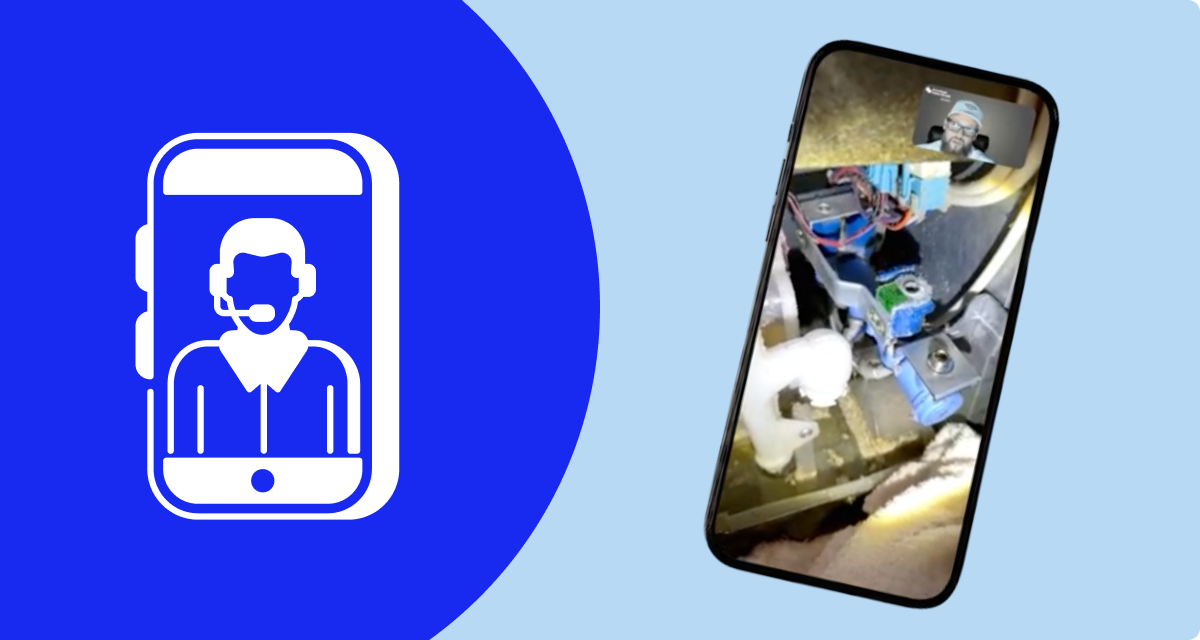
Rather than guess her way through it or endlessly search online for how to fix a refrigerator, she opened the American Home Shield® app and started a video chat.
Video chat connected Kourtney to Appliance Expert James, who knew his way around a broken refrigerator. She explained that she had moved in a month earlier and had connected the water line just yesterday, but the water dispenser in the fridge stopped working.
Installing a brand-new water filter didn’t move the needle, and when Expert James asked her to try to fill a cup on camera, the fridge let out only a dull buzz.
James worked the problem from front to back, starting with some of the most common fixes for what causes the water dispenser in a fridge to stop working.
First up was the water filter. James instructed Kourtney to remove the filter and check for moisture. It was dry, a sign that water wasn’t even reaching the cartridge.
Next came a quick test to separate the house plumbing from the fridge. James had Kourtney shut off the water line supply, disconnect the hose from the fridge, and place it into a bowl before turning the water back on. The line produced a steady stream—good pressure from the source—so the slowdown lived inside the unit, not in the water supply itself.
They moved to the water inlet valve itself, the component that controls the flow of water to both the dispenser and the ice maker. James immediately spotted two signs of trouble: a connector missing its wire and some visible corrosion on the valve body.
With the broken refrigerator safely unplugged, Kourtney reached in, found the loose wire tucked behind the assembly, and snapped it back into place. She flipped everything back on, but there was still no water coming through.
A soft buzz indicated that the valve was receiving a signal but not pouring. To confirm, James had Kourtney run the ice maker’s test switch. The mechanism cycled as it should, but no fill followed, another nudge toward a failed inlet valve.
That’s when Kourtney remembered a boxed replacement valve in the garage. She grabbed it and immediately spotted the difference. The new part was clean, while the old one showed evident corrosion.
They turned off the power and water once more, then traded the corroded inlet valve for the new one. Hose by hose, wire by wire, James walked Kourtney through the fix.
At one point, he chuckled, “Have you done this before, or are you just pretty handy?”
“I’m trying to learn since we just bought this house,” Kourtney replied.
“Well, you have the right plan, because we’re here to help you with all of that,” James replied.
With everything clicked back into place, Kourtney plugged the fridge back in and turned on the water supply. She grabbed an empty cup from the kitchen counter and pressed the dispenser. Water flowed immediately—clean, cold, and steady. Moments later, she heard the ice maker hum back to life, already pulling water into its first cycle.
“Oh my gah, I’m so excited!” Kourtney cheered. With her broken refrigerator a thing of the past, Kourtney was ready to take on her next home project.
No need to wait around wondering what’s wrong. With video chat, as a benefit to the ShieldGold™ and ShieldPlatinum™ plans, members can connect with a repair Expert in minutes through the American Home Shield app to troubleshoot in real time.
*See the plan agreement for coverage details, including service fees, limitations and exclusions. Coverage limits and charges for non-covered items may apply. Video chat available as a member benefit with select AHS plans. Video chat hours are from 8AM-9PM CST, 7 days/week. Subject to change.
Most refrigerator fixes are simple once you know where to look. Here are some of the common causes and quick tips on how to fix a refrigerator when things go wrong:
The short answer is, it depends on what’s wrong. The cheapest outcomes are no-part fixes, such as clearing air or debris from the filter after a change, thawing a frozen water line, or reseating a misaligned filter.
If you do need a part, the most common repair is a water inlet valve. Most guides put the average cost of replacing a water inlet valve at $100 to $250. If the issue is with the water line or dispenser tubing itself, that can cost anywhere from $140 to $550, depending on the type of piping and location.3 Labor is where the costs can add up quickly. Appliance Pros commonly charge about $50 to $125 per hour,4 and may include a diagnostic or service call fee.
If you’re an American Home Shield member, covered problems can drop your out-of-pocket costs to just the service fee. While this can be true, there can be non covered costs past the service fee. You can see what’s covered in your plan agreement.
*See the plan agreement for coverage details, including service fees, limitations and exclusions. Coverage limits and charges for non-covered items may apply. Video chat available as a member benefit with select AHS plans. Video chat hours are from 8AM-9PM CST, 7 days/week. Subject to change.
When the water dispenser in the fridge stops working, it’s easy to feel stuck. American Home Shield keeps you in the flow with coverage that helps when the unexpected shows up.
Our home warranty plans can protect your home’s most relied-on systems and appliances, so you can spend less time hunting for fixes. And with ShieldGold and ShieldPlatinum, you can connect by video chat with a live, repair Expert for quick, guided next steps. So, ready for fewer headaches and more home time? Shop our plans today and see how we can deliver peace of mind all year long.
AHS assumes no responsibility, and specifically disclaims all liability, for your use of any and all information contained herein.