LIMITED TIME ONLY
Get 50% off* select plans
Save big and let us handle covered home hassles.

Save big and let us handle covered home hassles.

Rainy seasons are getting more and more unpredictable. Given the growing number of extreme weather events and the increasing risk of house flooding even in areas usually deemed safe, it’s smart to have a plan in place.
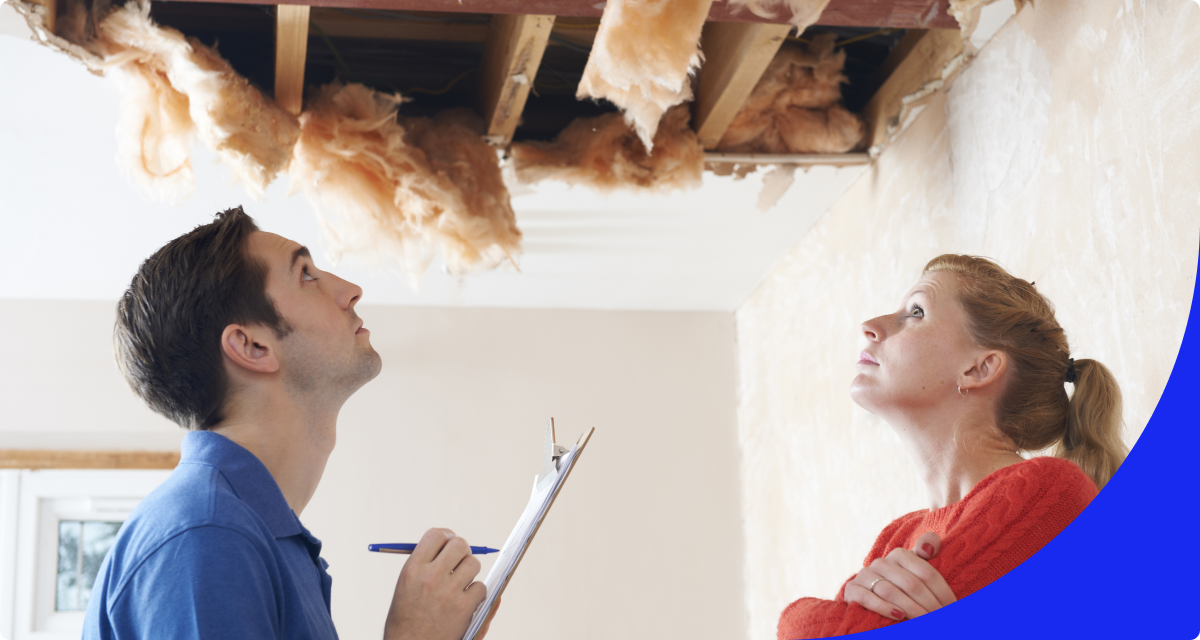
From exploring how to avoid the general wear and tear brought on by rain, to how to prevent flooding in the event of a more serious storm, we’ve got the resource for you. Consider this the ultimate guide to the precautions homeowners can take in the event that a harmless drizzle turns into a devastating downpour.
A little rain can create a relaxing ambiance for chilling at home. Too much rain, on the other hand, can be incredibly damaging. Here are some risks of heavy rainfall:
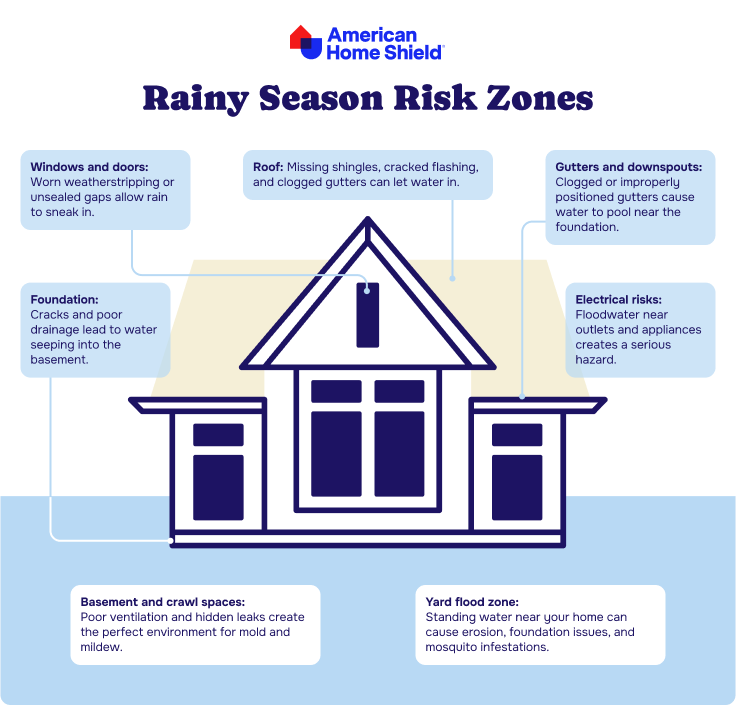
Water loves to take the path of least resistance, and unfortunately, that path might be right into your basement. Whether it’s through foundation cracks or poor drainage, basement leaks can lead to musty odors, mold, and water damage that’s a pain to fix.
A few missing shingles or a worn-out flashing seal might not seem like a big deal— until a heavy downpour turns your attic into a mini waterfall. Roof leaks can sneak up on you, causing stains, mold, and even structural damage if left unchecked.
Soil expands when it absorbs water, then contracts when it dries. Over time, this push-and-pull can cause cracks in your foundation, allowing water to seep in and weaken your home’s structural integrity.
Mold thrives in damp, poorly ventilated spaces. If moisture sneaks in and sticks around, mold spores can spread quickly, creating health risks and leaving a funky smell in their wake.
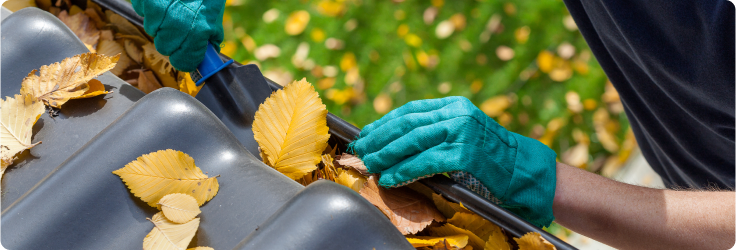
The best way to handle a rainy season is to get ahead of it. Before the storms hit, keep these maintenance tips for how to prevent floods in mind to make sure your home is ready to handle whatever the weather throws at it.

Your roof is your home’s first line of defense against rain— make sure it’s up for the challenge.

Water should always flow away from your house, not toward it. A few simple landscaping adjustments can help you avoid standing water in your yard.

Even tiny cracks in your foundation can let water seep in, causing basement leaks and long-term damage.

Rain can sneak in through the smallest gaps, causing drafts, water damage, and mold growth.
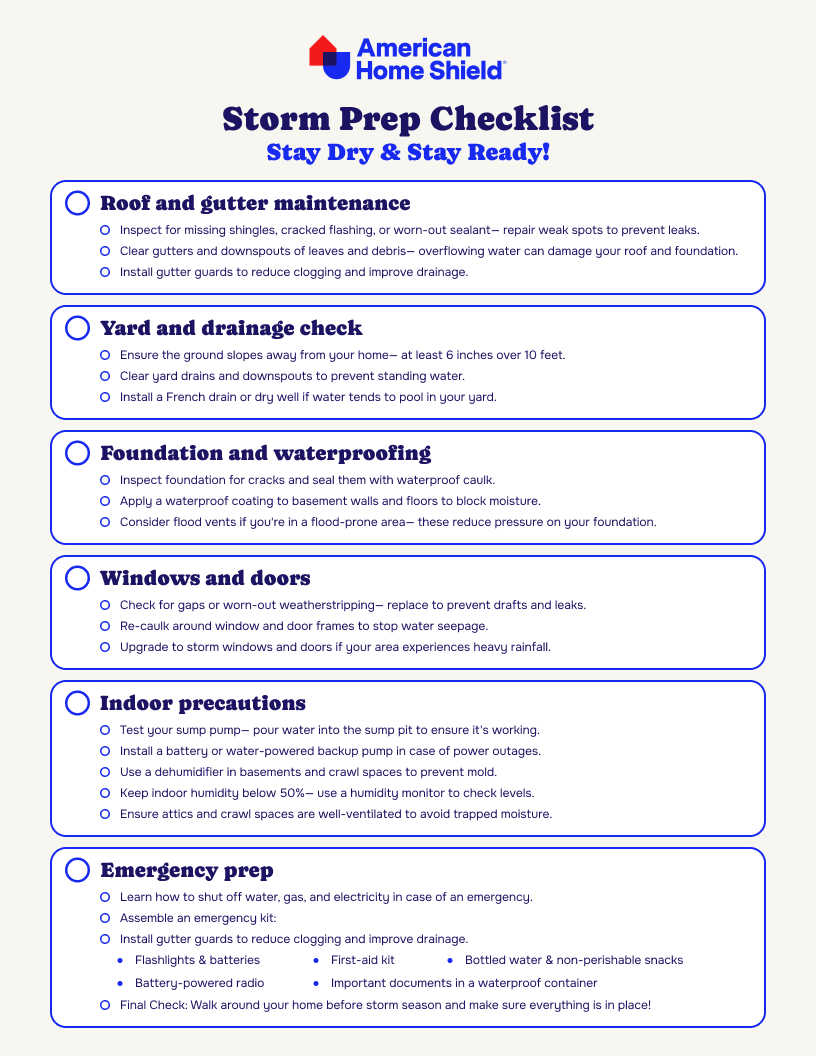
Feeling rain ready? Storm secure?
Download this storm prep checklist & keep it handy for the next time the weather turns.
If your basement is prone to flooding, a sump pump is your MVP— but only if it works when you need it.

Damp air equals a breeding ground for mold and mildew. Keep humidity levels in check to prevent problems before they start.
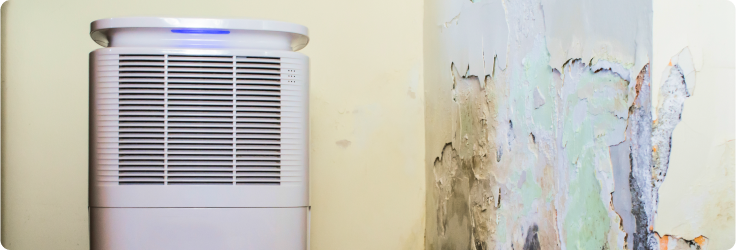
Even if you’ve waterproofed the outside, moisture can still creep in. These indoor steps will help keep your home dry and mold-free.
If your home has a history of leaks or moisture issues, consider installing a smart leak detection system. Some models can even send alerts to your phone if they detect excess moisture, helping you catch problems early.
You can’t stop the rain, but you can make sure your home can handle it. A little planning now means fewer panicked moments later.
First, make sure you understand your unique risks for flooding, given your state, local surroundings, and property type. The Federal Emergency Management Agency (FEMA)’s flood map tool is a great resource for understanding the specific flood zones and risks you face. Check out their additional resources for pinpointing your property’s flood risk here.
Next, it’s essential to know how to shut off your home’s utilities— water, gas, and electricity— before you actually need to. House flooding and electricity are a dangerous combo, and you don’t want to be figuring out where your breaker box is while ankle-deep in water.
Next, put together an emergency kit. While it sounds like the behavior of a doomsday prepper, having essentials on hand can make a huge difference if you lose power or need to act fast. Stock up on flashlights, batteries, bottled water, a first-aid kit, a battery-powered radio, and a stash of non-perishable snacks.
When the skies open up, it’s time to go into home-defense mode. Start by monitoring problem areas— check your basement for any signs of water pooling, peek in the attic for drips, and scan ceilings and walls for any sudden stains or damp spots. If you see water coming in, act fast.
Keep an eye on your gutters and downspouts, too. If they’re overflowing or not draining properly, grab a raincoat and clear any visible blockages if it’s safe to do so. Proper drainage is the difference between rain staying outside where it belongs and seeping into places it shouldn’t.
If you notice a small leak, use waterproof tape or sealant as a temporary fix to keep water at bay until you can get proper repairs done. Just remember— these are band-aids, not long-term solutions.
If things start looking bad— rising water, electrical issues, or structural damage— don’t wait. Get out and get safe. Your house can be fixed; your safety comes first.
Stay afloat with a home warranty plan that’s got your back.

First things first: if there’s standing water in your home, turn off the electricity if you can do so safely. Never step into water near outlets, appliances, or your breaker box— it’s not worth the risk.
Once it’s safe, start getting the water out. A sump pump or wet/dry vac can do a lot of the heavy lifting, but if the house flooding is severe, you may need professional help. Open windows, turn on fans, and run dehumidifiers to dry things out as quickly as possible. Mold can start growing in as little as 24-48 hours, so time is of the essence.
Next, disinfect everything the water touched. Floodwater can bring in bacteria, dirt, and other nasty stuff you don’t want lingering in your home. Scrub surfaces with a mix of bleach and water, and don’t forget to wash any fabrics that got wet.
If something can’t be fully dried— like carpeting, insulation, or drywall— it has to go. Holding onto water-damaged materials is an invitation for mold, and likely not a battle worth fighting.
If the house flooding is severe, persistent, or causing structural issues, it’s time to call in the Pros. Water damage can weaken your home’s foundation, mess with your electrical system, and create long-term problems if not properly addressed. Watch out for:
Preparing for heavy rain means safeguarding yourself against heavy damage and ensuring peace of mind. While flood insurance might make sense if you live in a high-risk area, everyday rainfall can still cause costly damage to your home’s systems and appliances.
That’s where American Home Shield comes in. With coverage for up to 23 major home systems and appliances, a home warranty plan sees to it that you’re protected from some of the wear and tear that rainy seasons can bring.
Concerned about roof leaks? Check out American Home Shield’s roof leak repair coverage, designed to help you address small leaks before they turn into pricey disasters.
AHS assumes no responsibility, and specifically disclaims all liability, for your use of any and all information contained herein.

Have a plan for your home when things don't go according to plan
Shop Home Warranties