Plan for what comes next
Buying a home is a big step. AHS Real Estate Plans can help protect major systems and appliances long after closing.

The best time to buy a house depends on your priorities—spring and summer offer more options, while fall and winter can mean better prices and faster deals.

Ask any real estate professional when the market is hottest, and you’ll probably hear the same answer: spring or summer. While it’s true that spring and summer can bring the most listings, you might be surprised at what fall or winter can offer, from lower prices to faster closings.
At the end of the day, it depends on your priorities as a homeowner and where you’re buying a house. And no matter when you buy, there’s no denying that understanding the market—and taking steps to protect your investment, like getting a home warranty—can make homeownership a little more worry-free, especially for first-time homebuyers.
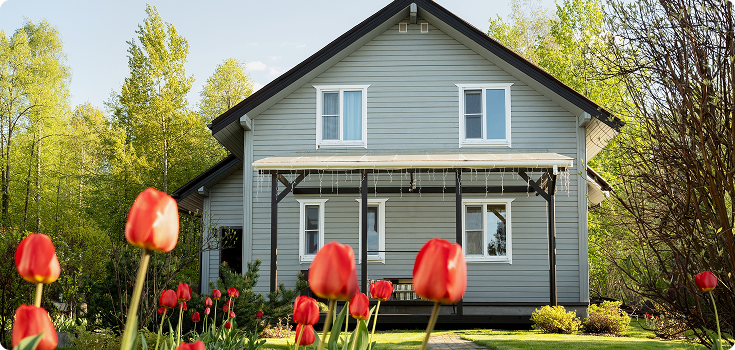
Spring is the peak homebuying season for a reason. After all, for-sale signs are never more eye catching than when they stand alongside blooming flowers.
Spring is often considered the best season to buy a house for those who want a wide range of options. Listings typically surge as homeowners prepare to move before summer, giving buyers more choices across neighborhoods and price points.
With the best available selection come the drawbacks of increased competition. Consider:
If you’re looking for variety and energy, spring could be the best time to buy a house. Just be ready to act fast.

By summer, the housing stock is bigger than ever, rife with opportunity for the buyer looking for plenty of choice and with a willingness to move quickly.
Summer is an extension of spring’s busy market, with high activity and solid availability. Here’s why many consider it one of the best seasons to buy a house:
The flip side of a vibrant summer market is cost and competition.
Summer is an energetic and fast-paced time to buy a house, especially if you want to consider as many options as possible. But if you’re hoping for a bargain, patience may pay off come fall.

Buying a home is a big step. AHS Real Estate Plans can help protect major systems and appliances long after closing.


As the leaves start to turn, so does the real estate market. Fall offers a balance of price and choice, making this quiet time of year one of the best seasons to buy a house.
If you’re wondering when is the best time to buy a house, fall might hit the sweet spot. When the hectic pace of summer slows, buyers have more breathing room to make thoughtful decisions.
Inventory begins to tighten, so you may have fewer homes to choose from.
If you’re looking for a seasonal shopping experience that offers more balance and less buzz, fall could be the best season to buy a house without breaking your budget.

Winter may seem like an unlikely time to shop for homes, but for strategic buyers, it’s often when deals appear and sales move quickly.
Winter can be the best month to buy a house if your goal is to save money. Fewer active buyers often mean lower prices and more negotiating power.
There’s no question that winter presents unique challenges when deciding when to purchase a home.
With warm layers and a will to see a home’s potential, winter could constitute some of the best months to buy a house.
Even once you’ve identified a season that aligns with your goals, market forces often have the final word. You can never predict how market conditions, mortgage rates, and local trends will evolve as you look to buy. Ideally, keeping an eye on these factors helps you determine the best time to buy a house in order to align with your budget and goals.
It also gives you a clearer picture of how much you’ll need to set aside for things like prepaid costs at closing or other financial obligations that factor into affordability.
Here are some questions to ask yourself:
In a buyer’s market, more inventory gives you leverage and time to negotiate. In a seller’s market, homes move quickly and prices rise—so readiness and pre-approval matter. Learn more about the difference here.
Even a small rate change can impact your monthly payment and buying power. When rates dip, affordability improves; when they climb, prices may cool.
Prices often rise in spring and summer and soften slightly toward year’s end. If you’re flexible on timing, comparing year-over-year data can reveal the best month to buy a house in your area. Doing this ahead of time also helps you plan for taxes during the buying process, including when it may be smartest to file taxes early if you need updated financial documentation for your lender.
Real estate is hyper-local. Economic growth, job markets, and school calendars can all influence whether your city favors buyers or sellers at a given time.
The best time to buy a house will always be the time you are most personally ready to do so. Taking stock of your finances can clarify when to purchase a home and how much house you can comfortably afford.
Key readiness checks include:
No matter the season, the best time to buy a house depends on your priorities, whether that’s finding the right price, the perfect location, or simply a home that feels like yours. But once you’ve made that investment, protecting it becomes just as important as choosing it.
A real estate home warranty plan from American Home Shield® helps safeguard your budget from unexpected repair costs that often come with homeownership. It’s year-round peace of mind that helps you focus on enjoying your new home, not stressing over surprise expenses. And it’s never too late to add one—even if you’ve already closed on your home.
For more tools, helpful tips, and coverage details, visit the AHS Homebuyer Hub. It’s your go-to resource for navigating homeownership with confidence, with tips on everything from first-time homeownership to avoiding buyer’s remorse.
AHS assumes no responsibility, and specifically disclaims all liability, for your use of any and all information contained herein.
House prices tend to be lowest during the winter months, especially in December and January. Fewer buyers are actively shopping, and sellers who list during this time are often motivated to close quickly, making those some of the best months to buy a house.
The spring and summer seasons bring the biggest wave of new listings. Many homeowners choose to sell between April and August, when weather and school schedules make moving easier. If you want to explore options, this is when you’ll see the best time to buy a house for selection and variety.
The difference comes down to supply and demand. In a buyer’s market, there are more homes for sale than active buyers. Prices may drop, sellers are more open to negotiation, and buyers have the advantage. In a seller’s market, demand outpaces supply. Homes sell faster, often above asking price, and buyers have less room to negotiate.