LIMITED TIME OFFER
Get 30% off* select plans
Enjoy special savings, and let us handle covered home hassles.

Enjoy special savings, and let us handle covered home hassles.

In real estate, a contingency is a contract clause that makes a home purchase dependent on certain conditions being met. One common example is a home sale contingency, but there are several types buyers and sellers should understand. We’ll explain what “contingent” means and how these clauses affect the buying process.

But what does contingent mean when actually buying a house? Nearly every real estate contingent contract includes some type of clause, from financing and inspection to a home sale requirement. Knowing what these terms mean—and how they affect both buyers and sellers—can help you move forward with clarity in today’s competitive market.
A contingency is a clause written into a real estate purchase contract that makes a buyer’s offer dependent on certain conditions being met. One common example is a home sale contingency, which means the purchase can only move forward if the buyer’s current home sells within a set time frame. If the sale doesn’t happen in time, the buyer can typically back out without penalty, and the seller can re-list the property.
Contingencies help protect buyers from taking on financial risk—such as carrying two mortgages at once. For sellers, they can feel like an added layer of uncertainty, but contingencies are very common in real estate transactions.In fact, if you’re wondering “What does contingent mean when buying a house?” it almost always points back to these types of contract clauses that pause a deal until certain conditions are met.
For most buyers, purchasing a home is the single biggest financial decision they’ll ever make. Contingencies give them peace of mind by building in a safety net. A contingent real estate offer helps protect a buyer’s earnest money deposit and sets clear expectations for what happens if problems arise.
For example, if a home inspection reveals major issues or financing falls through, contingencies give the buyer a legal way to back out without losing thousands of dollars. They also limit the chance of being stuck with surprise repair costs or an overpriced property. In short, contingencies help balance the risk between buyers and sellers.
It’s easy to get confused by the different labels you see on home listings:
Understanding these terms helps buyers and sellers manage expectations. A contingent house isn’t off the market entirely. Instead, it’s in a holding pattern until the agreed-upon conditions are met.
When you’re buying or selling a home, contingencies are a normal part of the process. They’re designed to protect both buyers and sellers from unexpected setbacks. If you’ve ever wondered “What does contingent mean on a home sale?” here are the five most common types you’ll see in purchase contracts:
After a home inspection, the buyer can request repairs, ask for credits, or walk away if major issues with the new home are uncovered. This helps ensure they aren’t stuck with costly surprises after closing.
If the home appraises for less than the agreed purchase price, the buyer’s lender may not approve the full loan. This contingency gives the buyer a chance to re-negotiate or exit the contract if the numbers don’t add up.
Even with pre-approval, there’s always a chance a buyer’s mortgage could fall through. This contingency allows them to cancel the contract without penalty if their loan is denied.
A home sale contingency clause makes the new purchase dependent on the buyer selling their current home first. A contingent home sale protects buyers from juggling two mortgages, but it can slow down the closing timeline for sellers.
Before closing, the title company checks for liens, disputes, or other ownership issues. The insurance company must also confirm the property can be insured. If either check raises red flags, this contingency provides a way out of the deal. Sellers are also required to provide a real estate disclosure that lists known issues with the property, which can influence whether a contingency is triggered.
These contingencies are safeguards. They might slow the process, but they also help keep both parties protected until everything is ready to close.
From a seller’s perspective, contingencies can slow down the sale. But there are smart ways to keep negotiations moving forward without derailing the deal:
Handled carefully, contingencies don’t have to be deal-breakers. They can actually be the framework that ensures both sides feel protected enough to move forward.
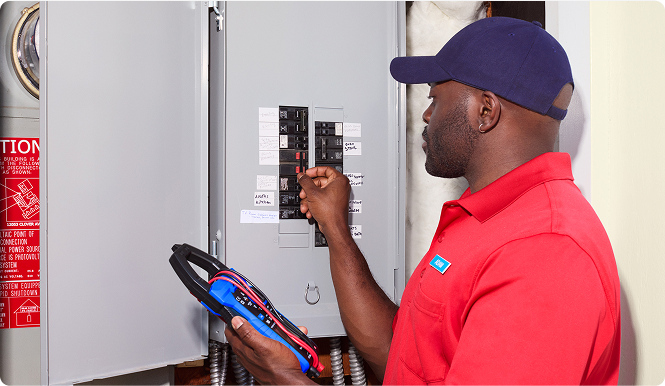
In real estate, sellers often look for simple ways to keep negotiations on track without slashing the asking price. Offering a home warranty plan is one of the most recognized concessions, right alongside closing cost credits or appliance allowances.
For buyers, this gesture provides reassurance. If a covered home system or appliance breaks down soon after move-in, the warranty helps cover the repair or replacement cost. That peace of mind can make a contingent house feel like a safer bet and reduce the chances of last-minute issues derailing the deal.
For sellers, the cost of a warranty is modest compared to larger concessions, and it can prevent tense re-negotiations over unexpected repair requests. Plus, with AHS Seller Coverage Option, qualified home systems are protected while your home is on the market—helping you avoid surprise repair bills that could stall negotiations.
If you’re considering offering this protection, it’s also helpful to understand when the best time to add a home warranty is, since timing can affect both buyers and sellers during the closing process.
If you’re selling a home, including an American Home Shield® real estate home warranty plan can be a smart move to reassure buyers and strengthen your listing. Coverage for the buyer begins the day of closing, but sellers can also get protection for up to six months during the listing period by adding the Seller Coverage Option*.
Knowing that a home warranty plan is included can help reduce uncertainty during a contingent home sale, offering peace of mind if a covered system fails during the inspection or pre-closing period. The modest cost of coverage is often outweighed by a smoother transaction and added market appeal, creating a win-win that helps keep deals on track even when contingencies are in play.
*Seller Coverage Option is subject to a $1,500 cap during the listing period. Renewable upon review at the discretion of American Home Shield after a 6-month period, up to 12 months.
Buying and selling a home comes with enough moving parts. With American Home Shield, you can move forward with confidence, knowing that contingencies don’t always have to lead to complications.
Check out the AHS Homebuyer Hub for even more resources on the homebuying and selling process, including our article on 8 ways to avoid homebuyer’s remorse.
AHS assumes no responsibility, and specifically disclaims all liability, for your use of any and all information contained herein.
Yes. When a listing shows as contingent, it means the seller has accepted an offer but certain conditions still need to be met. In many cases, sellers will accept backup offers in case the first deal falls through.
A pending home is further along in the process—all contingencies have been resolved, and the sale is waiting to close. A contingent house, on the other hand, still has conditions attached. From a buyer’s perspective, pending is closer to “off the market,” while contingent leaves more room for another offer to be considered.
Yes, especially if you’re serious about the property. A contingent home sale can fall through if conditions aren’t met, so submitting a backup offer may put you in a strong position. It’s common for buyers to continue viewing contingent listings, since deals don’t always make it to closing.