Labor Day Sale
Half off* for a whole year
Save big and let us handle covered home hassles.

Save big and let us handle covered home hassles.

Home inspections are not legally required in most real estate transactions, but that doesn't mean you should skip one. A home inspection is a professional evaluation of a property's condition, covering everything from the roof to the foundation, and it can be one of the most valuable steps in the home buying process.

In this article:
Are home inspections required?
Why you should get a home inspection
Home inspections are not legally required in most residential real estate transactions, but several circumstances can effectively make them necessary.
In competitive markets, some buyers waive the inspection contingency to make their offer more attractive. This is a calculated risk, and not always the right one. According to AHS homeowner hindsight data, nearly 1 in 4 buyers surveyed waived their home inspection, and 23% of them regret it.
AHS real estate plans are built for homebuyers, with generous coverage limits and budget protection that starts at closing.

A home inspection is one of the few opportunities you have to fully understand the condition of a property before you're legally and financially committed to it. Here's what's at stake.
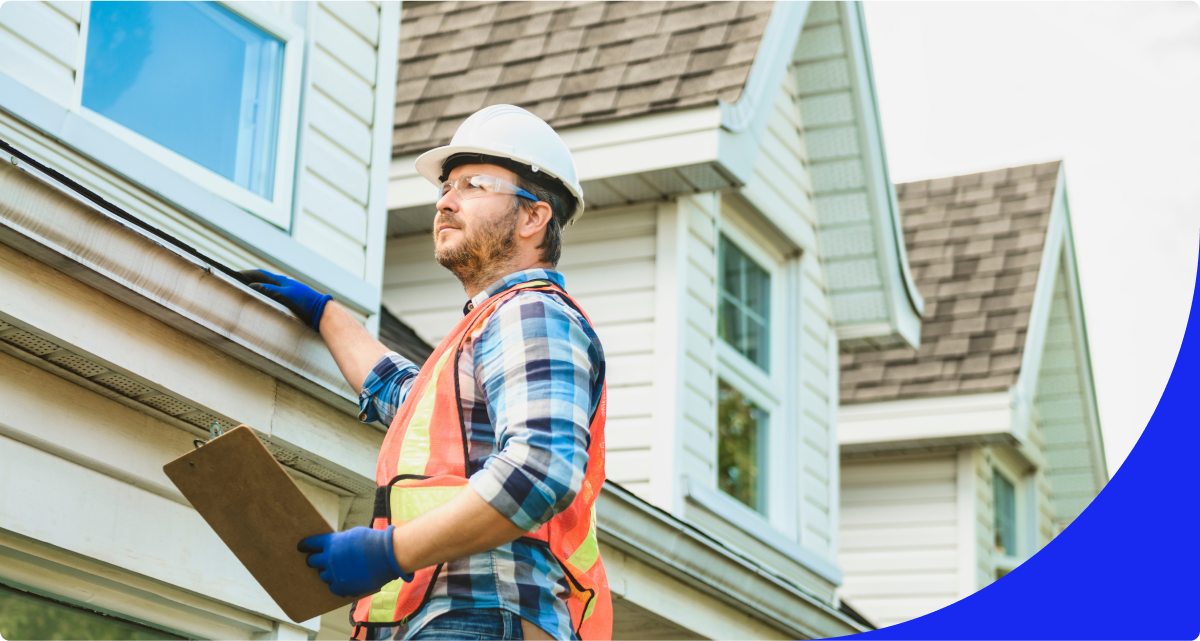
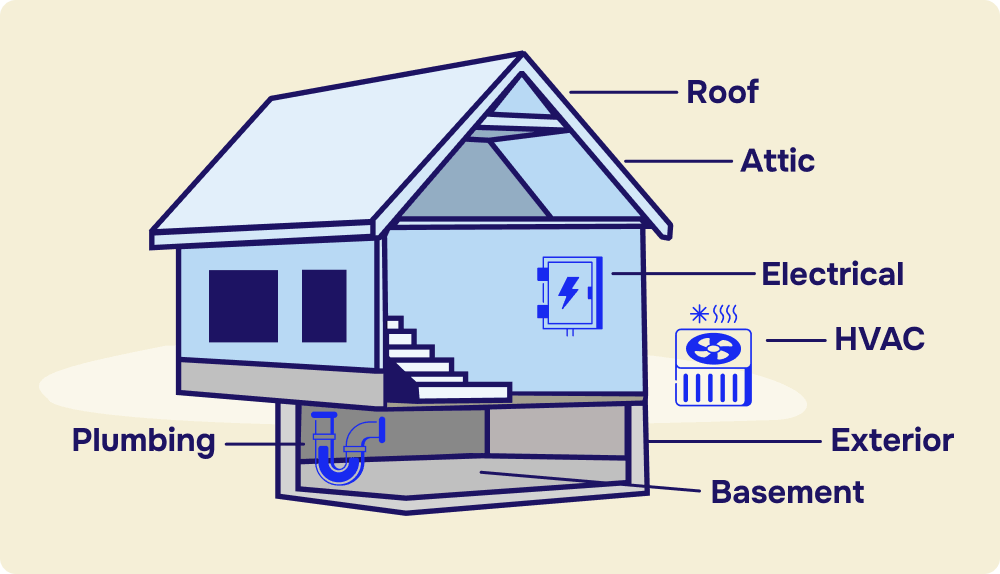
A standard home inspection covers the major systems and structural components of a property. Here's what a licensed inspector will typically evaluate:
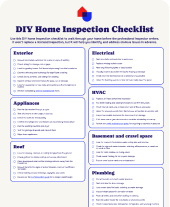
For a complete overview of what to look for, see our DIY house inspection checklist and what to expect from a home inspection.
A standard inspection has limits. The following items typically require separate, specialized inspections, and are worth considering depending on the property's age, location, and history:
Ask your inspector and real estate agent which add-on inspections make sense for the specific property and region.
For most buyers in most situations, a home inspection is worth every dollar. But there are a couple of scenarios where the calculus is different.
New builds come with a builder warranty that covers workmanship and materials for a set period. That said, new construction inspections can still catch errors made during the build, like improper grading, faulty wiring, or code issues, before they become your problem. An 11-month inspection (just before the builder warranty expires) is a particularly smart move.
In highly competitive markets, some buyers waive the inspection contingency to make their offer stand out. If you're considering this, go in with eyes open: you're accepting the risk of undisclosed issues. If you do waive, consider at minimum scheduling an informational inspection—one that tells you the home's condition without any power to negotiate—after closing so you know what you're working with. For more on what to watch out for, see our guide on common new home issues and when to walk away from a home inspection.
No, American Home Shield does not require a home inspection or maintenance records to purchase a home warranty plan. Coverage is available regardless of the age of your covered systems and appliances.
That said, it never hurts to have one. An inspection gives you a clearer picture of your home's condition going in. A home warranty from AHS fixes the parts of major systems and appliances when they break down. If AHS can't repair the covered item, they'll replace it. Together, they help protect your budget and give you peace of mind. Explore AHS coverage options to see what's included.
See the plan agreement for coverage details, including service fees, limitations and exclusions. Coverage limits and charges for non-covered items may apply.
AHS assumes no responsibility, and specifically disclaims all liability, for your use of any and all information contained herein.
A standard home inspection typically costs between $300 and $500, depending on the size, age, and location of the property. Specialty inspections for radon, mold, pests, or sewer lines cost more.
In most transactions, the buyer is responsible for scheduling and paying for the home inspection. It's typically not part of closing costs, so budget for it separately. Your real estate agent can usually recommend qualified inspectors in your area.
Structural issues like foundation cracks, significant settling, or compromised load-bearing elements are among the most serious findings because they're expensive to repair and can affect the safety and value of the home. Other major red flags include evidence of water intrusion, outdated or unsafe electrical panels, and roof damage. For a deeper look at how to respond to serious findings, see our guide on when to walk away from a home inspection.