LIMITED TIME ONLY
Get 30% off* select plans
Save big and let us handle covered home hassles.

Save big and let us handle covered home hassles.

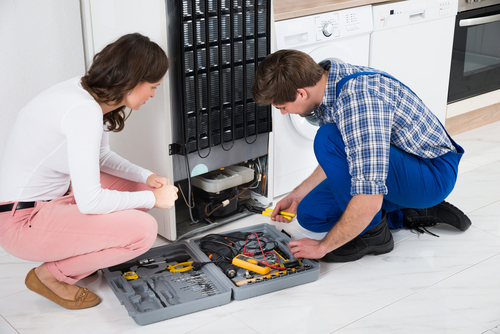
Most freezers stop freezing because cold air is escaping, airflow is blocked, or a key component isn’t working properly. Check these areas for issues first to figure out why your freezer isn’t freezing and what to do next.
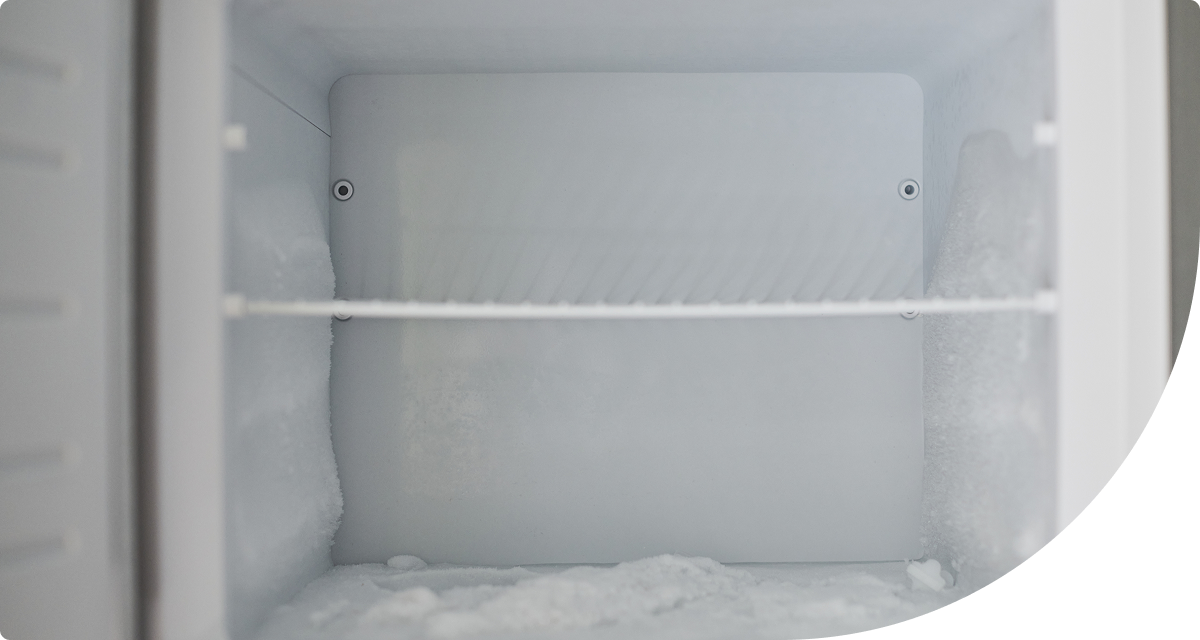
Freezers are kitchen failsafes, holding leftovers, emergency meals, and staples for as long as you need to. That’s why it can be so disappointing to open the door to softened ice cream and mushy frozen veggies: signs your freezer is not cold enough.
Luckily, many freezer problems come down to simple issues you can spot and fix yourself. Start by understanding why your freezer is not freezing even if the refrigerator is working. Then, try the steps you feel comfortable handling. This is the American Home Shield® guide to the most common causes of a freezer that stopped working, what you can do, and when it’s time to bring in a Pro.
Most freezers stop working because something is blocking airflow, letting cold air escape, or preventing the system from cooling efficiently. Common causes include:
Faulty start relay or compressor issues: If the relay can’t send power to the compressor, the freezer won’t get cold. Less commonly, a failing compressor can also keep the freezer from freezing.
If your freezer is not freezing or your freezer is not cold enough, the right fix depends on what’s causing the problem. Below are detailed steps for the most common issues homeowners run into.
A loose, cracked, or dirty door seal can let cold air leak out, one of the simplest causes of a freezer that’s stopped working.
How to fix it:
The evaporator fan pushes cold air through the freezer. If items are packed too tightly, the fan can’t circulate air, leaving you with a freezer that’s not cold enough.
How to fix it:
If the condenser coils can’t release heat properly, the entire cooling system struggles—often causing a freezer that’s not cold enough.
How to fix it:
If your evaporator fan isn’t working, the freezer can’t circulate chilled air, even if the rest of the system is functioning.
How to fix it:
Freezer problems can be frustrating. AHS members with select plans can video chat with an Expert in the AHS app for help assessing or fixing an issue at no extra cost.

If your freezer stopped working suddenly, the start relay may be failing to send power to the compressor. This is one of the more serious causes of a freezer not freezing.
How to fix it:
Some freezer problems are simple to fix. Others—like compressor failures, faulty thermostats, damaged wiring, or repeated overheating—require expert diagnosis.
You should call a professional when:
Sometimes the freezer is freezing but still showing symptoms that something isn’t working as it should. Paying attention to these signs can help you catch problems early before they lead to a freezer not freezing at all.
If your freezer runs nonstop, even when the door stays closed, the issue often points to the temperature control thermostat or a malfunctioning fan motor.
Resetting the thermostat may help temporarily, but repeated cycling or loud fan noise can indicate it’s time for repair.
Everyday freezer sounds, like clicks, pops, or low hums, are all part of normal operation. But new, louder, or unusual noises can signal a developing issue.
One common cause is dirty condenser coils, which force the freezer to work harder and get noisier. A struggling compressor relay can also create buzzing or clicking, especially if the freezer starts running warmer than usual.
If you notice water under the freezer or excess frost inside, the most likely cause is a clogged or frozen defrost drain.
If frost returns quickly or leaks continue, the defrost system may need a closer look from a professional.
A few simple habits can help prevent your freezer from not freezing, running constantly, or developing airflow issues. Regular maintenance on your freezer (and your fridge) can help keep the appliance efficient and can extend its lifespan.
Make sure the thermostat is set to the recommended temperature—0°F for most freezers. A thermostat that gets bumped or drifts out of calibration can make the freezer work harder than it needs to or leave food only partially frozen.

If you’re seeing thick or recurring frost on the coils or interior walls, don’t ignore it. That buildup can signal a deeper issue that cleaning alone won’t fix.
Air needs space to circulate. An overpacked freezer can block vents, overload the evaporator fan, and cause warm spots. Leave a little room around the back wall and avoid stacking items directly under the fan cover.
Dirty or sticky gaskets can prevent the door from sealing tightly, allowing cold air to escape. Wipe seals with warm, soapy water, then dry thoroughly. Check for cracks, tears, or gaps during cleanings so issues don’t go unnoticed.
When something stops working in the kitchen, it’s easy to feel like you’re on your own. With American Home Shield, you don’t have to be.
AHS offers home warranty plans with appliance coverage and access to a nationwide network of Pros who help repair covered issues when DIY fixes aren’t enough. And with select plans, enjoy video chatting with a live repair Expert via the AHS app for guidance before making a service request, giving you real answers, in real time, at no extra cost.
Want to stay ahead of future surprises? Explore more homeowner tips and troubleshooting guides on the Home Matters blog. You’ll find helpful articles on everyday questions—like how a refrigerator cycle works—and other resources to keep your home running smoothly.
*See the plan agreement for coverage details, including service fees, limitations and exclusions. Coverage limits and charges for non-covered items may apply. Video chat available as a member benefit with select AHS plans. Video chat hours are from 8AM-9PM CST, 7 days/week. Subject to change.
AHS assumes no responsibility, and specifically disclaims all liability, for your use of any and all information contained herein.