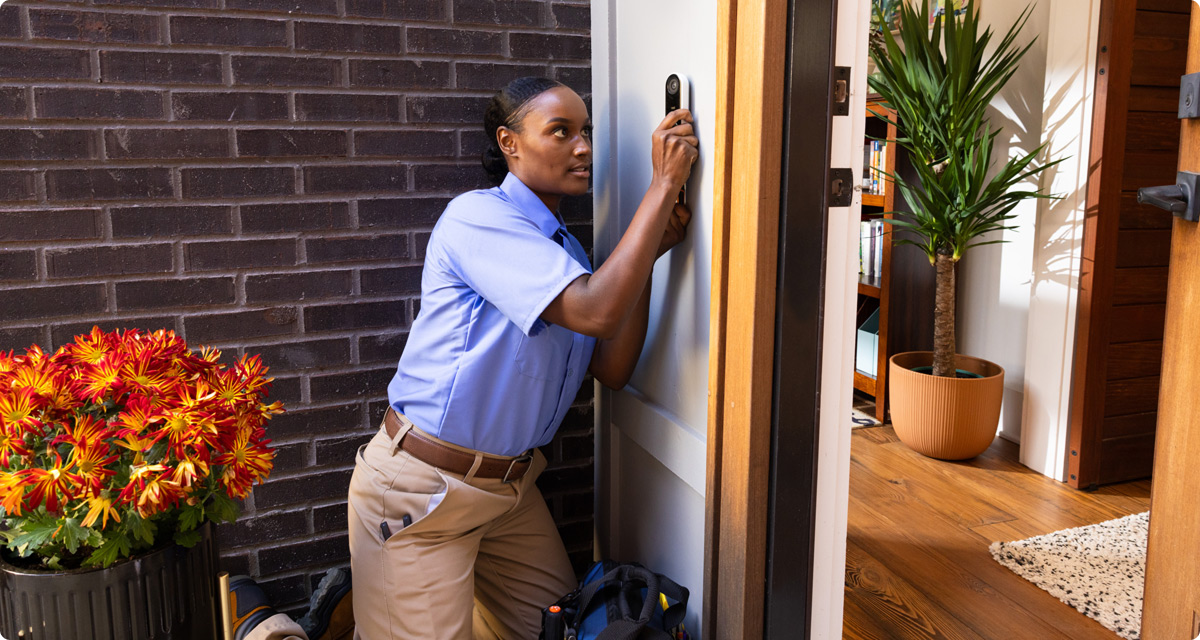
The Benefits of Smart Homes

AHS Editorial Team
January 21, 2026
Smart homes aren’t just something out of science fiction anymore. From saving money on utilities to improving security and boosting resale value, the benefits of smart homes are changing how people live.

Key takeaways
- Smart home advantages go beyond convenience — from energy efficiency and cost savings to improved safety, comfort, and accessibility.
- Resale value matters — homes equipped with smart technology often attract more buyers and may sell faster at higher prices.
- Getting started is simple — with the right Wi-Fi setup, a few high-impact devices, and protection through American Home Shield®, you can build a smart home system that grows with your needs.
The benefits of smart homes are no longer theoretical—they’re changing how people buy, sell, and live in their houses every day. By combining connected devices into a central system, homeowners can save on utilities, increase security, and create a more personalized environment. In the sections below, we’ll explain the biggest smart home benefits, explore adoption trends, and share simple steps for getting started.
What is a smart home?
A smart home is more than a few gadgets plugged in around the house. It’s a network of interconnected devices—such as thermostats, lights, locks, and security cameras—that can be monitored, automated, and controlled from one place, often through a smartphone app or voice assistant.
Unlike a single smart gadget that works on its own, a smart home system integrates multiple devices so they work together. For example, your Wifi thermostat can adjust automatically when your security system detects you’ve left the house, or your lights can turn on when the smart lock opens the front door.
Key features of a smart home system include:
- Remote access: Control devices anytime, anywhere from a phone or tablet.
- Automation: One of the biggest benefits of smart homes? Automations. Create schedules and routines, like turning off lights at bedtime or adjusting the thermostat during work hours.
- Integration: Devices that “talk” to each other for seamless control.
- Monitoring: Real-time updates and alerts, whether it’s a motion sensor, doorbell camera, or water leak detector.
Smart homes make everyday tasks easier, but there are a lot of long-term smart home benefits, too. Let’s explore why you may or may not want to set up your home this way.
What are the advantages or disadvantages of a smart home system?
Like most new technology, a smart home has advantages and disadvantages. Understanding each can help homeowners and real estate professionals make informed choices.
Smart home advantages
- Energy efficiency and cost savings: Smart thermostats and plugs reduce wasted energy and may lower bills by shifting use to off-peak times.
- Security and safety: Smart locks, doorbell cameras, and motion detectors make it easier to monitor who’s coming and going, while leak sensors and smart smoke detectors can alert you to water or fire damage.
- Convenience and remote management: Remote access and automation make it easy to control climate, lighting, and appliances from anywhere, so your home is always running on routines that fit your lifestyle.
- Health, comfort, and accessibility: Smart home devices can help track air quality, humidity, and temperature, creating a healthier living space. Voice-activated controls and automated systems also support older adults or people with limited mobility.
Smart home disadvantages
- Cost of investment: While prices have dropped, a full smart home setup still requires upfront spending on devices and possibly professional installation.
- Internet dependence: Most smart systems rely on a strong Wi-Fi connection. Outages or poor service can temporarily limit functionality.
- Compatibility problems: Not every device works seamlessly with every hub or platform. Mixing brands may create integration challenges.
- Cybersecurity risks: Connected devices can be vulnerable to hacking if not properly secured. Regular updates and strong passwords are essential to protect your data.
That said, more than 82% of respondents in a recent survey conducted by American Home Shield said they trust their smart home devices despite these concerns.
Resale value and market appeal of smart homes
Smart home features make daily life easier, another advantage of creating a smart home is that it can boost the resale value. Buyers increasingly see connected devices as upgrades, with 29% saying they would pay more for a home already equipped with smart technology. A property with smart locks, thermostats, or security systems already installed often stands out in a competitive market.
The long-term return on investment (ROI) comes from both cost savings while you live in the home and added value when you decide to sell. Real estate agents report that listings highlighting smart home technology tend to attract more attention and may sell faster than similar homes without those features. The revenue in the smart home market is only expected to grow, for a projected market volume of more than $250 billion by 2029.1
Adoption trends across the country point in the same direction. The American Home Shield survey showed that 93% of homeowners now own at least one smart device, and younger buyers often expect homes to come equipped with them. “[Millenials] grew up on smartphones, so they're used to being able to control things at their fingertips…and they'll pay 3 to 5 percent more for a home with the right amenities,” says real estate agent JP Endres, as quoted in Consumer Report.2
How to get started
Now that you’re familiar with some of the smart home benefits, you may be wondering how to best get started installing or expanding your own home system. Here’s how to do it:
- Prep your home: A reliable Wi-Fi connection is essential, since most devices rely on internet access. You may also need updated wiring or outlets for certain smart appliances.
- Choose your system: Decide whether you want to manage everything through a central hub, like a smart speaker or app, or start with individual devices that can integrate later.
- Prioritize what matters most: Many homeowners begin with security features such as video doorbells and smart locks, or with energy-saving tools like thermostats and lighting.
- Protect your investment: As with any connected technology, use strong passwords, enable software updates, and review privacy settings to reduce cybersecurity risks.
Starting with a few high-impact devices makes it easier to expand as your needs—and comfort level with smart technology—grow.
American Home Shield: Smart protection for your smart home
There’s no doubt about it—smart technology makes life at home easier. Likewise, a home warranty plan makes homeownership easier, helping you manage covered repairs when everyday systems and appliances break down.
American Home Shield® supports homeowners living with smart technology by offering tools, guidance, and optional protections that help you get more value from your home.
With an AHS home warranty plan, you can enjoy:
- Expert insight: Members with select plans can video chat with an Expert at no additional cost to learn how smart technology could work best in their home.
- Installation support: AHS members can access exclusive discounts to partner offers on smart thermostats and other smart home devices.
- Extra protection: Add on the Allstate® Electronics Protection Plan to help safeguard your eligible connected devices.
Whether you’re upgrading for convenience or resale value, American Home Shield helps take the stress out of managing your home on top of it.
Are you a real estate agent or buying/selling a home? If so, learn more about our real estate plans and exclusive real estate home services, including partner offers on smart home tech installation services.
AHS assumes no responsibility, and specifically disclaims all liability, for your use of any and all information contained herein.