MEMORIAL DAY SALE
50% off* select plans for a year
Save big and let us handle covered home hassles.

Save big and let us handle covered home hassles.

Not every home is built for central air—and for older homes, room additions, converted spaces, or persistent hot spots no thermostat can fix, a ductless air conditioner is often the most practical solution. This guide covers how ductless systems work, what they cost, and how to know if one is right for your home.
Learn more about AHS air conditioner coverage and how a home warranty can help protect your system.
In this article:
A ductless air conditioner is a standalone heating and cooling system that conditions the air in a home without relying on a network of ducts to distribute airflow. Instead, each unit delivers conditioned air directly to the room or zone where it's installed.
These systems, also commonly called mini splits or ductless HVAC systems, are a great solution for homes without existing ductwork, rooms that feel perpetually uncomfortable, or any space where extending ductwork would be impractical or cost-prohibitive. They can both cool and heat, making them a year-round climate control option.
There are two primary configurations to know:
A single-zone mini split connects one indoor air handler to one outdoor compressor unit. It's designed to condition a single room or defined zone. This is a popular choice for additions, garages, sunrooms, or any space that isn't connected to the main HVAC system. It's also useful as a supplemental solution when one area of the home consistently runs warmer or cooler than the rest.
A multi-zone mini split connects multiple indoor air handlers, typically up to four, to a single outdoor unit. Each zone operates independently with its own controls, so different rooms can be set to different temperatures simultaneously. If one indoor unit stops working, the others continue operating normally. This configuration is best for homes where a full central system isn't feasible but comfort in several rooms is the goal.

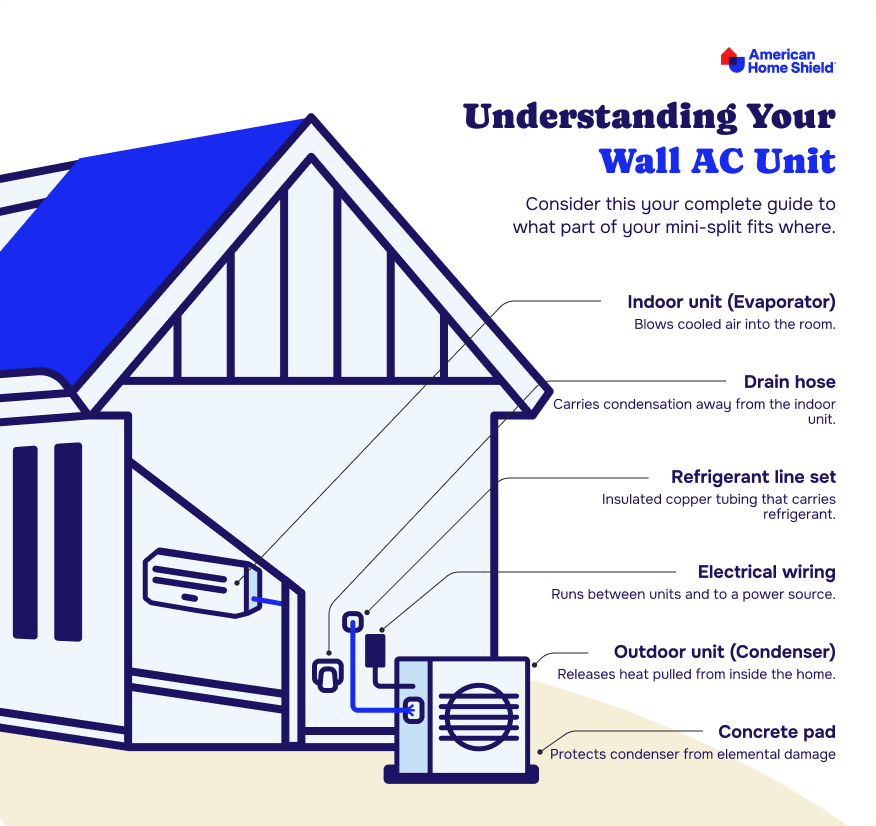
Indoor Unit
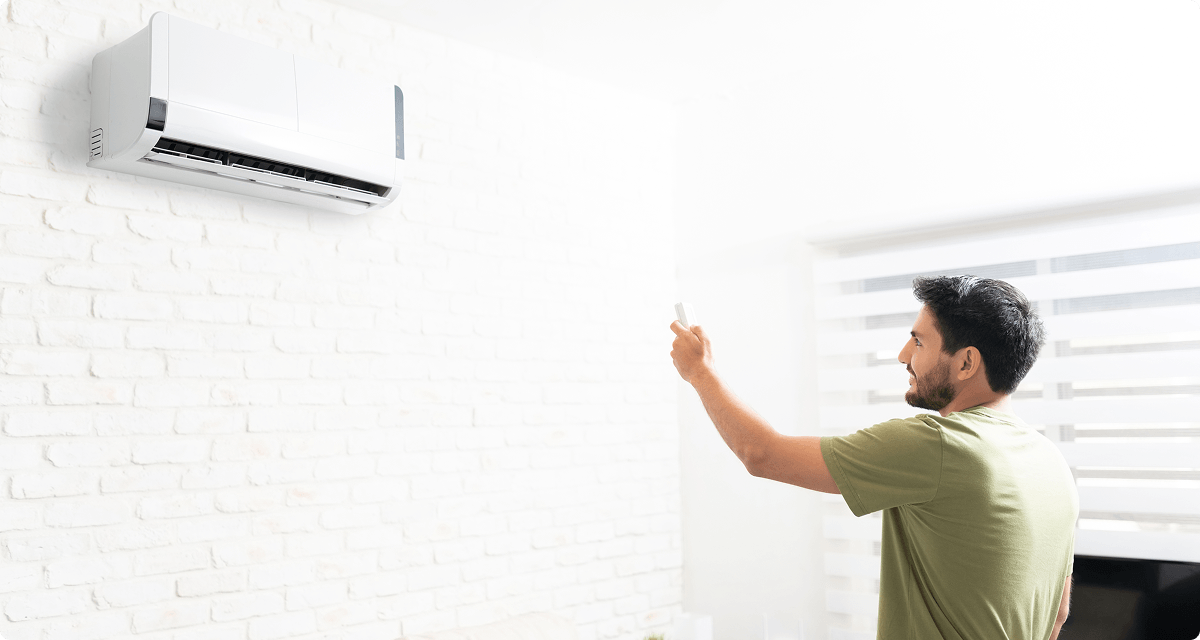
The indoor air handler is mounted on the wall (typically high, near the ceiling to take advantage of natural air circulation), though ceiling-mounted and floor-mounted options also exist. It contains the evaporator coil and a fan that draws in warm room air, passes it over the coil, and releases cooled air back into the space.
Outdoor Unit
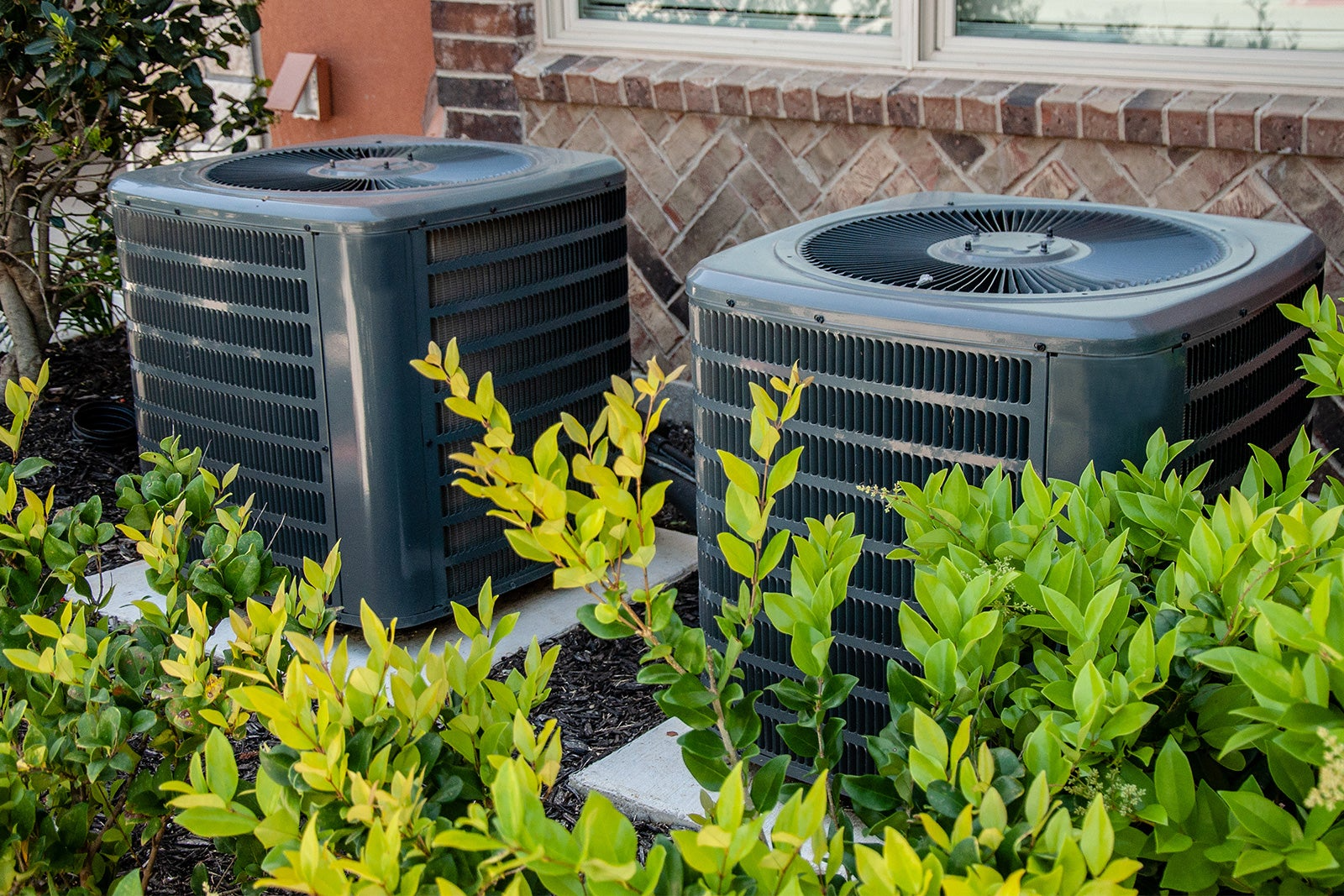
The outdoor compressor/condenser unit houses the compressor and condenser coil. It releases the heat that has been removed from the indoor air outside. One outdoor unit can support multiple indoor handlers in a multi-zone configuration.
Conduit
The indoor and outdoor units are connected by a conduit: a small bundle that runs through a hole (typically about three inches wide) in the wall. It contains the refrigerant lines, electrical wiring, and a condensate drain line. No major construction is required, which is one reason ductless systems are significantly faster to install than ducted systems.
When the system is in cooling mode, the indoor unit draws warm air from the room across its evaporator coil. The refrigerant inside the coil absorbs that heat and carries it through the conduit to the outdoor unit, where it's released outside. Cool air is then circulated back into the room.
In heating mode, the process reverses and the system extracts heat from the outdoor air and transfers it inside, even in cool weather. This is why ductless mini splits are often referred to as heat pumps.
One of the most practical advantages of ductless systems is zoned climate control. Each indoor unit operates independently, allowing different rooms or areas to be set to different temperatures. You're only conditioning the spaces you're using, which can meaningfully reduce energy consumption compared to running a central system throughout the entire home.
When the system is in cooling mode, the indoor unit draws warm air from the room across its evaporator coil. The refrigerant inside the coil absorbs that heat and carries it through the conduit to the outdoor unit, where it's released outside. Cool air is then circulated back into the room.
In heating mode, the process reverses and the system extracts heat from the outdoor air and transfers it inside, even in cool weather. This is why ductless mini splits are often referred to as heat pumps.

Energy Efficiency
According to the U.S. Department of Energy, duct losses in conventional HVAC systems can reduce efficiency by up to 30%. Ductless systems eliminate that loss entirely. Most models carry an ENERGY STAR® rating, and because they use inverter technology to adjust output rather than cycling fully on and off, they tend to use electricity more efficiently overall.
Flexible Installation
Indoor handlers can be wall-mounted, ceiling-mounted, or even recessed to mimic the look of traditional vents. Installation typically requires only a small hole through an exterior wall, and a system can be up and running in as little as a day—far faster than installing ductwork.
Zoned Comfort
Each zone has its own thermostat, meaning household members can set different temperatures in different rooms without affecting the rest of the house.
Quieter Operation
Because the compressor is housed outdoors, the indoor unit operates much more quietly than a window unit, which contains all mechanical components in one place.
Better Indoor Air Quality
Ductless systems use multi-stage filtration that can help reduce dust, bacteria, pollen, and allergens. Traditional duct systems accumulate these contaminants over time and require regular professional cleaning to maintain air quality.
Higher Upfront Cost
Ductless systems cost more to purchase and install than window or portable units, and typically more than central air when compared unit-for-unit (not counting ductwork installation). The investment can be significant depending on how many zones are needed.
Aesthetic Considerations
Some homeowners find the wall-mounted indoor units less visually discreet than the vents of a traditional system. While recessed options exist, they tend to add to the cost.
Installation Requires Expertise
Proper sizing and placement of the indoor units matters. If a unit is undersized or poorly positioned, it can lead to short cycling—where the system turns on and off too frequently—resulting in poor humidity control, inefficiency, and accelerated wear. Finding qualified ductless installers can also be more challenging in some areas compared to contractors experienced with conventional systems.
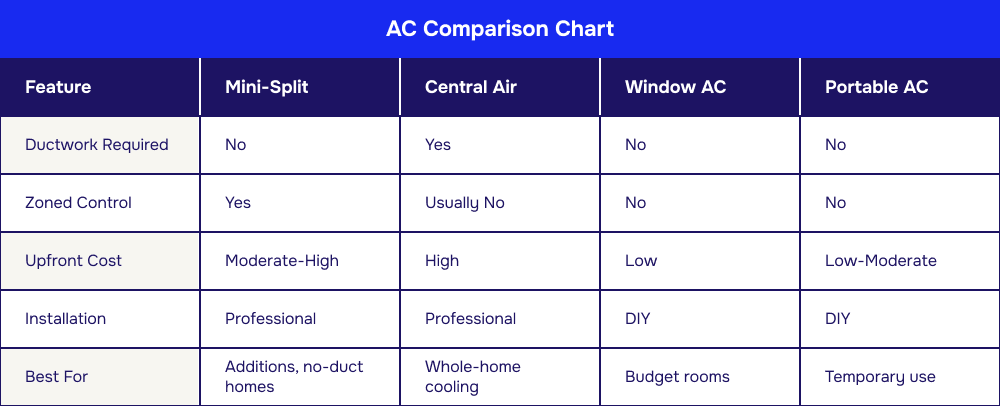
The higher purchase price of a ductless system is real, but it's only part of the financial picture. The energy savings from reduced duct losses, zone-specific operation, and inverter-driven efficiency can add up over the lifespan of the system. Homeowners who use ductless systems only in the rooms they occupy, rather than conditioning an entire home, often see noticeable reductions in their utility bills.
Ductless systems tend to be the right call in these situations:
If your home already has ductwork in good condition and central air is functioning well, a full ductless conversion probably isn't the most cost-effective move. But for the situations above, a ductless system might be worth every dollar.
Considering a new AC unit? Read our guide on tips for buying a new AC unit before you decide.
Explore how our home warranty plans can help keep your A/C in working order all season long.
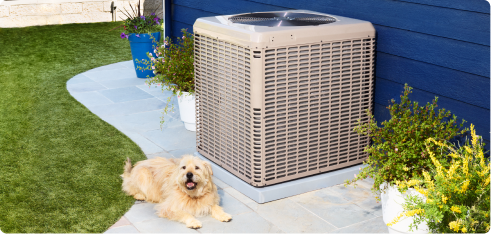
Ductless systems are relatively low-maintenance compared to ducted systems, but they do require regular attention to perform well:
A well-maintained ductless mini split typically last an average of 16 years. That’s comparable to or slightly longer than a traditional central air system. The key is consistent maintenance and prompt attention to any performance issues before they develop into larger problems.
When a ductless system breaks down unexpectedly, repair costs can run into the hundreds and replacement can cost thousands.1 American Home Shield home warranty plans cover mini splits, helping protect your budget when covered breakdowns occur. If AHS can't repair a covered item, we'll replace it, subject to your plan agreement's limitations and exclusions.
A ductless system is a real investment in your home's comfort. Once it's installed, protecting it matters. AHS home warranty plans cover mini splits and other HVAC systems, so if something goes wrong, you're not facing a major unexpected expense on your own.
AHS assumes no responsibility, and specifically disclaims all liability, for your use of any and all information contained herein.
Sources:
1https://homeguide.com/costs/ductless-mini-split-ac-cost
It depends on your starting point. If your home already has ductwork, central air is generally less expensive to install. If your home doesn't have ducts, or if you're only looking to condition one or two rooms, a ductless system is often the more cost-effective choice. Over time, the energy efficiency of ductless systems can help offset the higher upfront cost.
Easier than a traditional ducted system, yes. A single-zone mini split installation typically requires only a small hole through an exterior wall and can be completed in a few hours. A multi-zone system will take longer, but still significantly less time than a full duct installation. That said, proper sizing and placement are critical and a qualified HVAC professional should handle the job.
Ductless mini splits are generally more energy efficient than window units. They use inverter technology that adjusts the compressor speed based on demand, rather than simply turning on and off. Window units cycle on and off at full power, which uses more electricity per cooling cycle. The U.S. Department of Energy notes that mini split systems can be significantly more efficient than other room air conditioners.
The indoor unit of a ductless system is very quiet, typically around 20–30 decibels. That’s roughly the sound level of a whisper. Since the compressor is housed in the outdoor unit, the mechanical noise that makes window units loud simply isn't present inside the room.